Documented Clinical Case

Female DHI Hair Transplant — 2,900 Grafts

12-Month Follow-Up DHI Dr. Nora Derin

This documented record presents the assessed treatment plan, recorded procedure information and individual follow-up for this clinical case at Henesis Clinic.

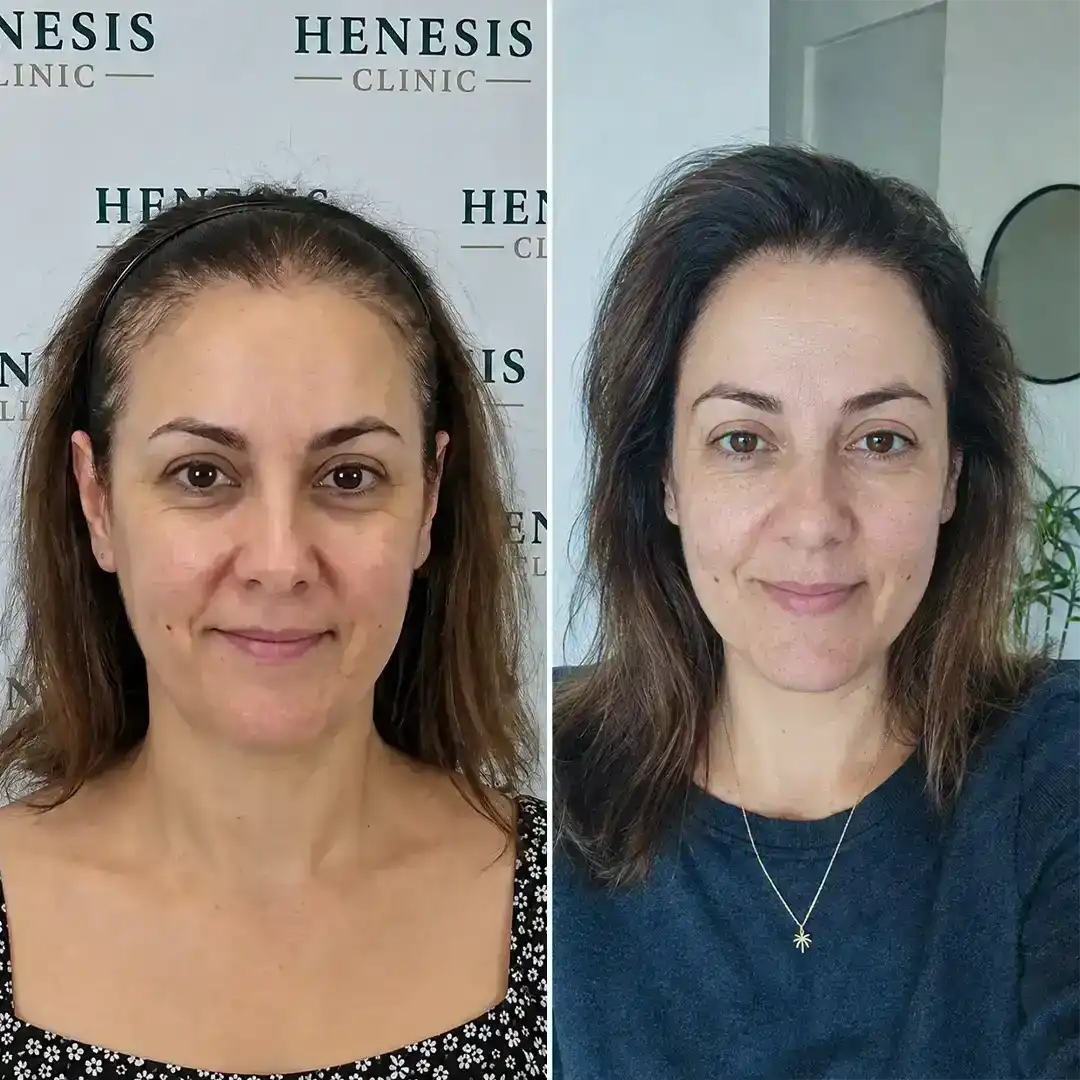
Before-treatment and 12-month follow-up photographs from documented case HNS-0067
Before Treatment 12-Month Follow-Up

Case record

Case at a Glance

Case ID
HNS-0067
Procedure
DHI Hair Transplant
Graft Count
2,900 grafts
Treatment Area
Frontal Hairline, Bitemporal Recessions And Anterior Mid-Scalp
Hair Type
Caucasian / Medium Wavy
Hair-Loss Pattern
High frontal hairline recession + documented within a female-pattern hair-loss presentation
Donor Characteristics
Occipital donor area
Procedure Date
28 August 2025
Follow-Up
12 months
Medical Doctor
Dr. Nora Derin, MD
Clinic Location
Henesis Clinic · Istanbul, Türkiye

Documented case sequence

Case Timeline

  1. 01
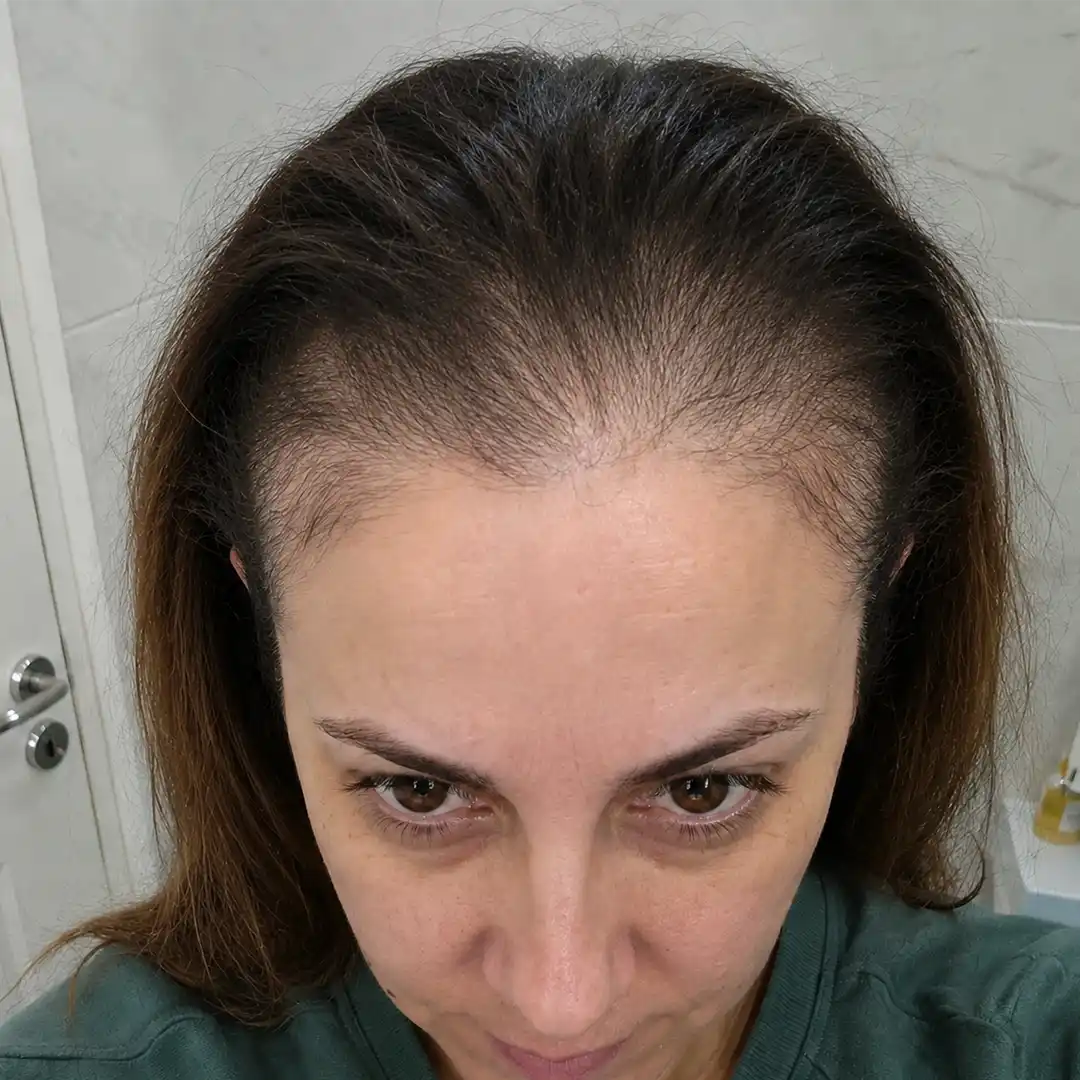
    Pre-treatment top view from documented case HNS-0067

    Pre-Treatment Assessment

    Frontal Hairline, Bitemporal Recessions And Anterior Mid-Scalp planning

  2. 02
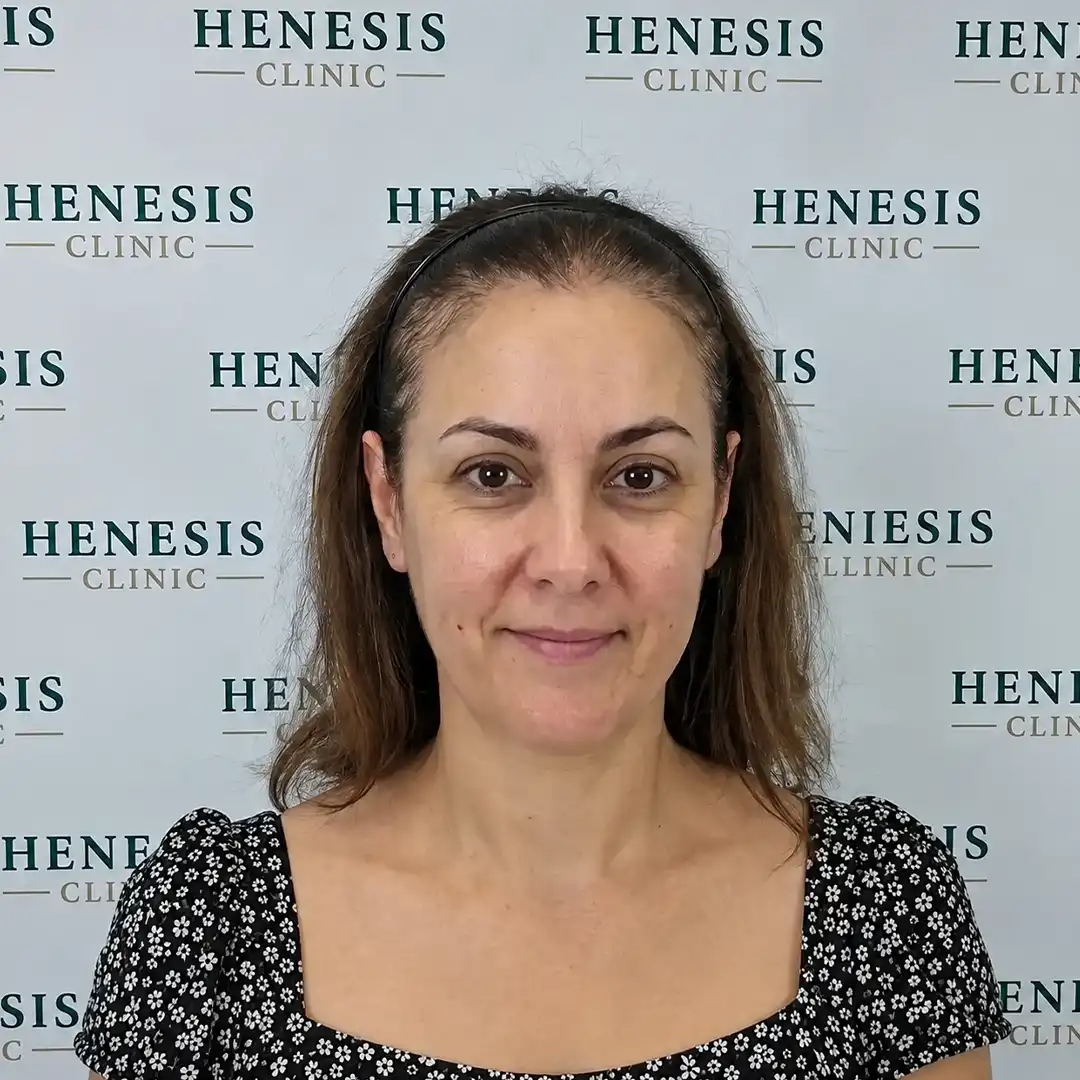
    Procedure front view from documented case HNS-0067

    Procedure

    28 August 2025

    DHI · 2,900 grafts

  3. 03
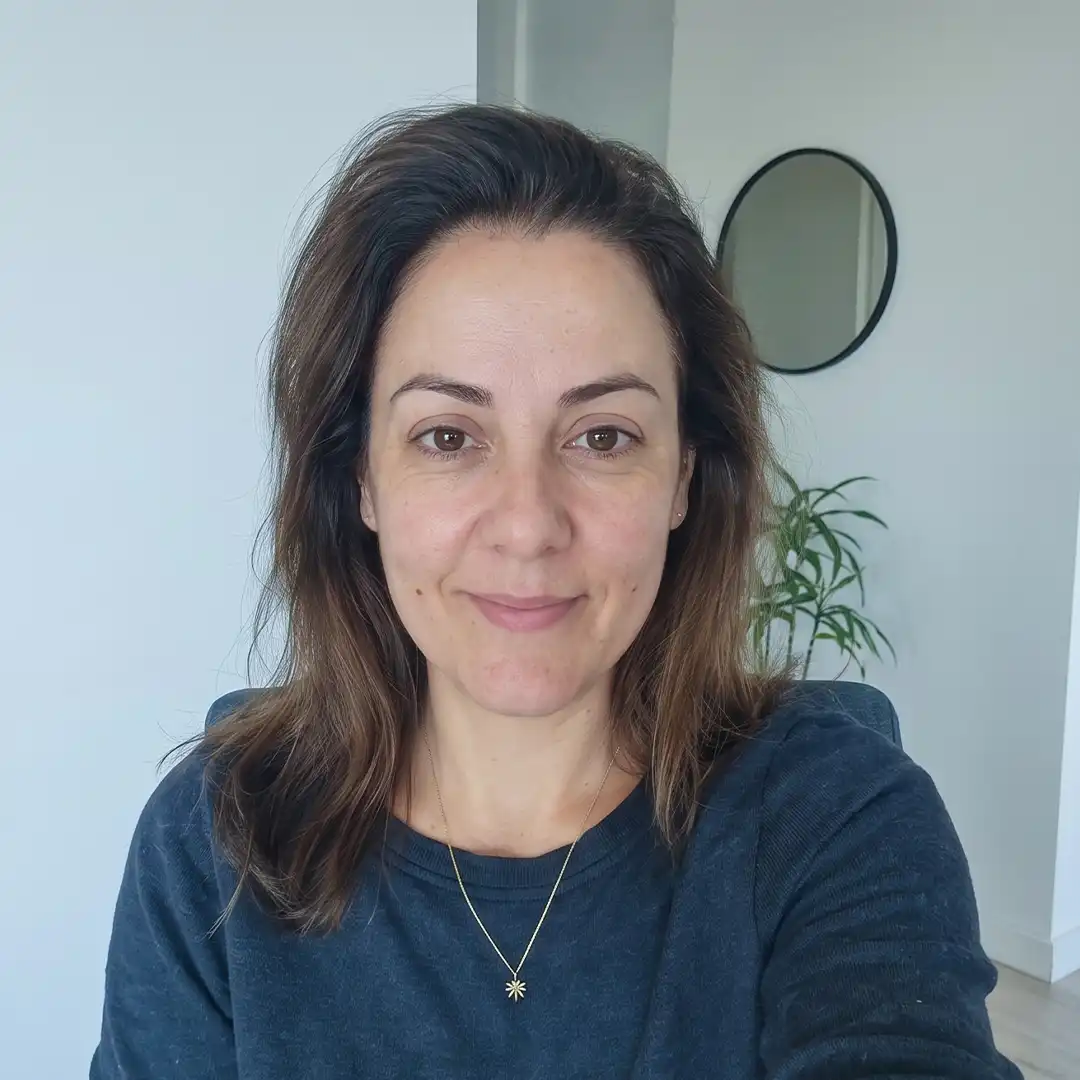
    12-month front-view follow-up from documented case HNS-0067

    12-Month Follow-Up

    Primary documented follow-up

    Follow-up photographs record the treated frontal hairline, temporal corners and mid-scalp.

  4. FINAL
    Before-treatment and 12-month follow-up photographs from documented case HNS-0067

    Before & After Comparison

    Baseline vs 12-Month Follow-Up

Documented clinical journey

Patient presentation and recorded decisions

Assessment & Treatment Planning

Patient goal: Lower and soften the frontal hairline while improving visible coverage across the central forelock, bitemporal regions and anterior scalp in alignment with the patient's facial proportions and treatment goals.

Assessment context: High frontal hairline recession, diffuse thinning across the central forelock and bitemporal recession, documented within a female-pattern hair-loss presentation.

Planning rationale: DHI was selected to support controlled graft placement between existing native hairs across the frontal and anterior scalp recipient zones without requiring full-head shaving. Planning focused on implantation angle, direction, depth and distribution in relation to the patient's existing hair pattern and recipient-area requirements.

Design notes: The frontal hairline was planned according to the patient's facial proportions and treatment goals, using a softly rounded feminine contour with subtle irregularity rather than a rigid linear border. Single-hair follicular units were prioritized along the leading edge, with multi-hair grafts distributed behind the transition zone according to the treatment plan.

Recorded treatment details

Procedure Details

Technique
DHI
Donor Area
Occipital donor area
Recipient Areas
Frontal Hairline, Bitemporal Recessions And Anterior Mid-Scalp
Implantation Workflow
Choi implanter workflow

Recorded Procedure

Follicular units were harvested from the occipital donor area using FUE-based extraction. Selected single-hair and multi-hair grafts were implanted across the planned frontal, bitemporal and anterior mid-scalp recipient zones using a Choi implanter workflow, with placement adapted to the intended angle, direction, depth and distribution.

Recorded follow-up context

Clinical Interpretation

Documented Observation

The pre-treatment scalp record describes high frontal hairline recession, diffuse thinning across the central forelock and bitemporal recession, documented within a female-pattern hair-loss presentation. The recorded treatment field was the frontal hairline, temporal corners and mid-scalp. The recorded procedure used 2,900 grafts. At 12 months, the clearest visual change is concentrated at the frontal hairline, with additional photographed change through the temporal corners and mid-scalp. The treatment did not target the crown, so these photographs should not be interpreted as evidence of crown restoration. In the follow-up views, the transplanted areas appear visually continuous with the patient's existing wavy hair pattern. This is the documented result of one patient and does not predict another patient's outcome.

Follow-Up
12 months
Complications
None documented.
Further Treatment
No further treatment currently documented.

Medical doctor

Dr. Nora Derin, MD

Dr. Nora Derin, MD is the physician recorded for this case. View the physician profile for clinical focus, responsibilities and physician information.

View Doctor Profile

Your anatomy and goals are individual

Find Out What May Be Suitable for Your Hair

Share clear photos and information about your hair loss with the Henesis team for an individual assessment.

Request Assessment