Case Context Matters
Profile, treatment area, graft count and follow-up stage should accompany every result.

Documented Black & Afro-Textured Hair Restoration Cases
Explore documented Afro and Black hair transplant before-and-after photographs from male and female patient cases, including graft counts, techniques, treatment areas and follow-up timelines.
Afro results quick context
Profile, treatment area, graft count and follow-up stage should accompany every result.
Curly and coiled strands can create a different visible coverage pattern from straighter hair.
Comparable cases can guide questions, but donor capacity and goals remain individual.
Multiple views, clinical planning and result interpretation belong in each permanent case record.
Explore the Afro case library
20 documented Afro cases
Afro-specific case library
Published scalp cases include verified clinical context and a permanent clinical case record.
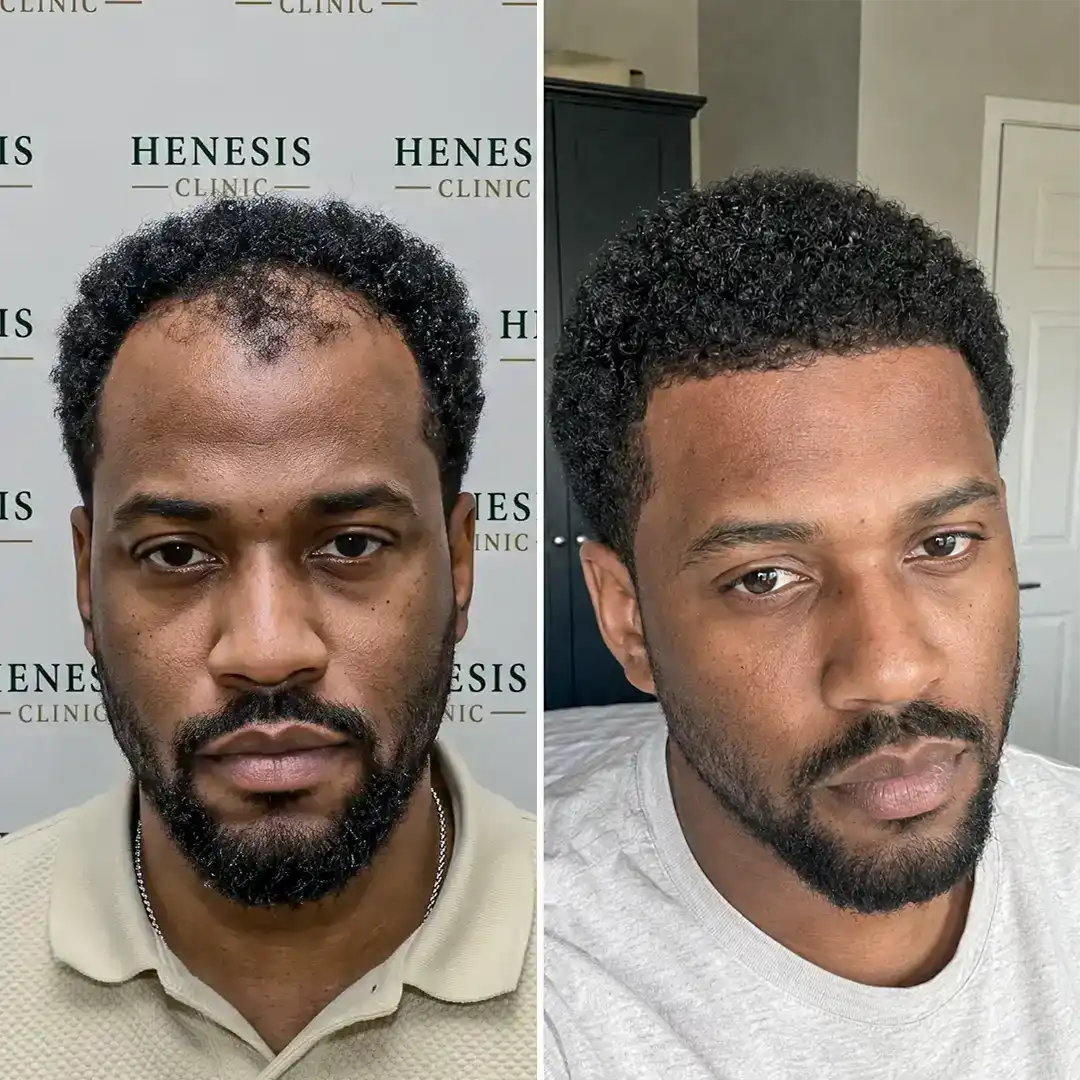 Before
After
Before
After
DHI Hair Transplant
Doctor: Dr. Timur Aksu, MD
View Clinical Case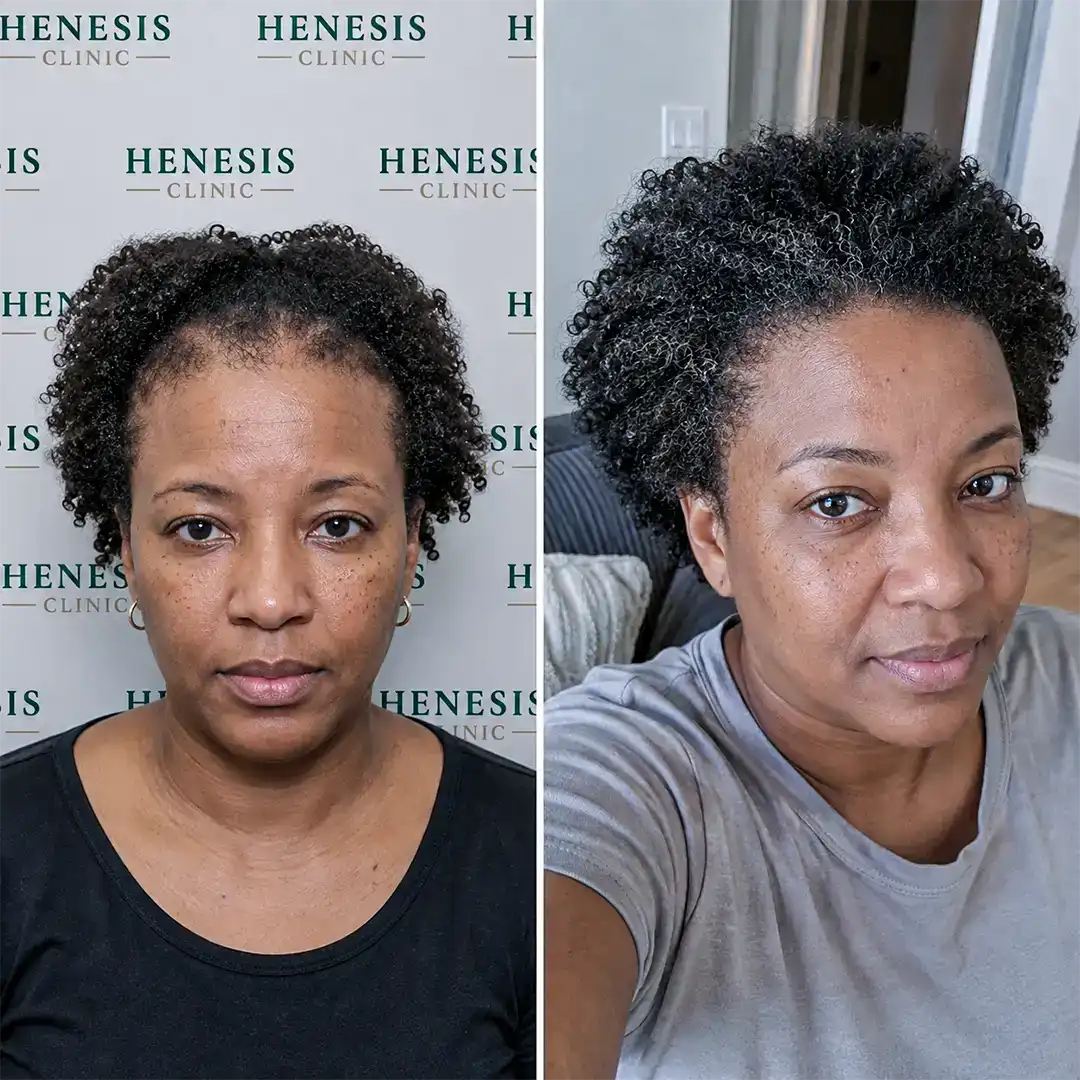 Before
After
Before
After
DHI Hair Transplant
Doctor: Dr. Nora Derin, MD
View Clinical Case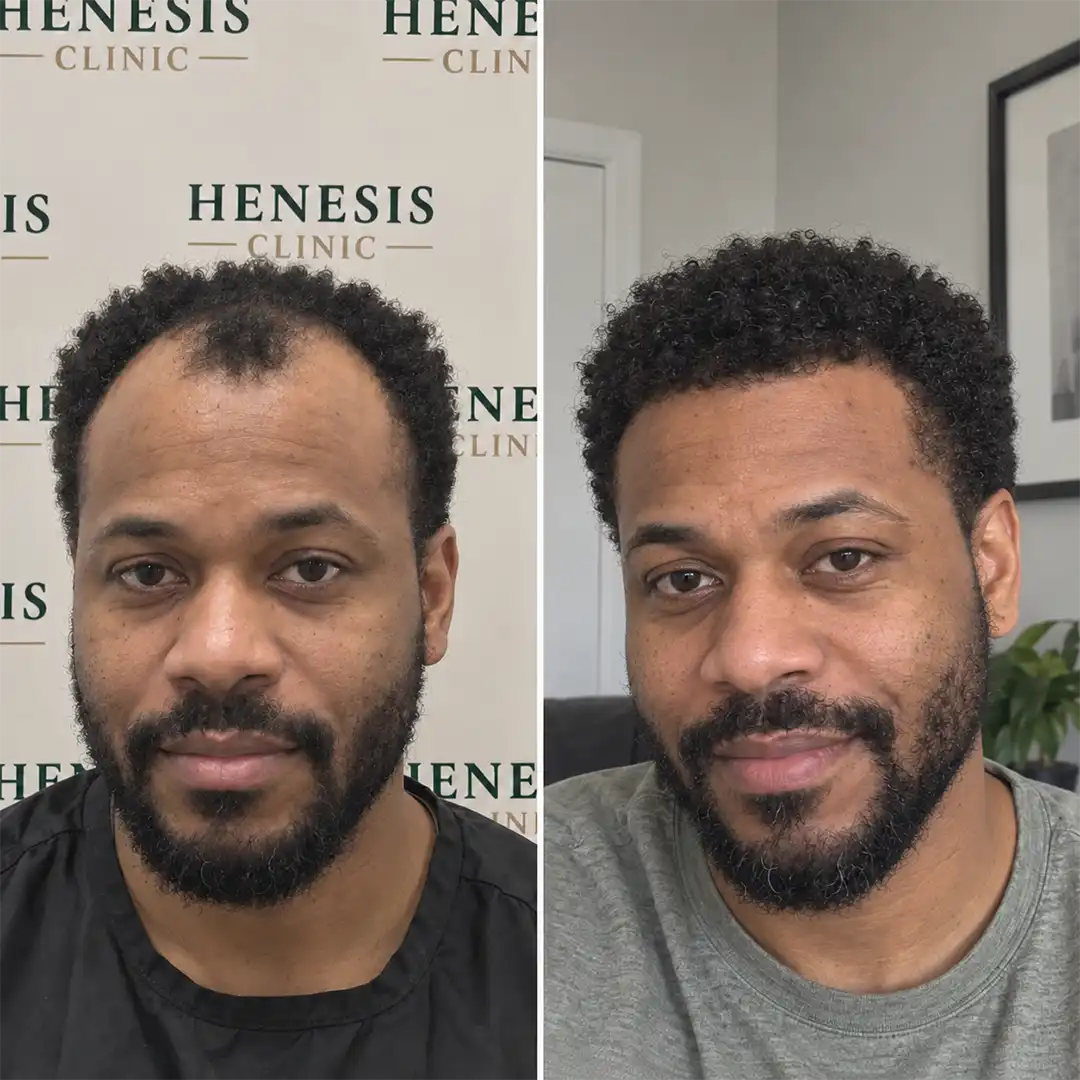 Before
After
Before
After
Combined Sapphire FUE + DHI Hair Transplant
Doctor: Dr. Nora Derin, MD
View Clinical Case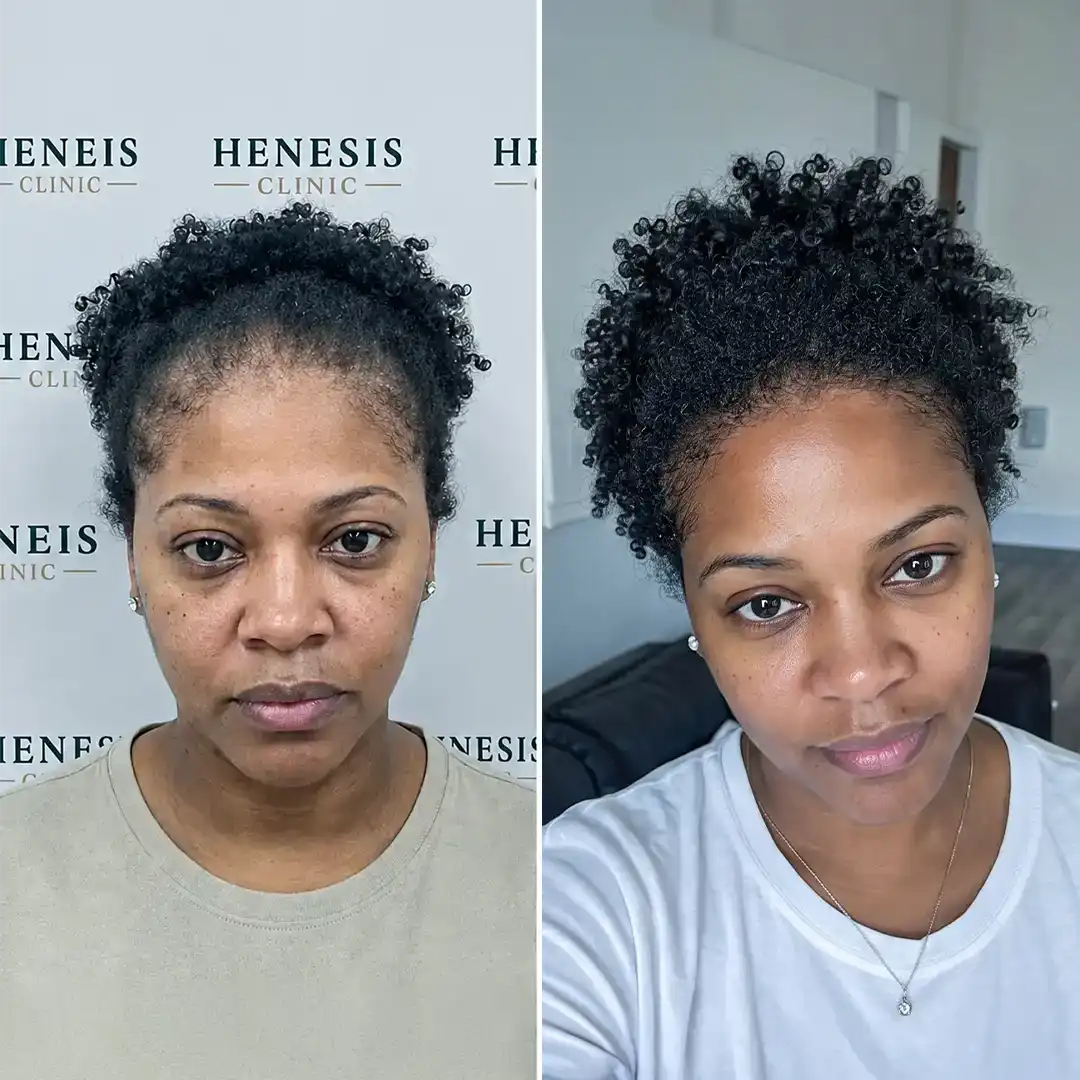 Before
After
Before
After
Sapphire FUE Hair Transplant
Doctor: Dr. Nora Derin, MD
View Clinical Case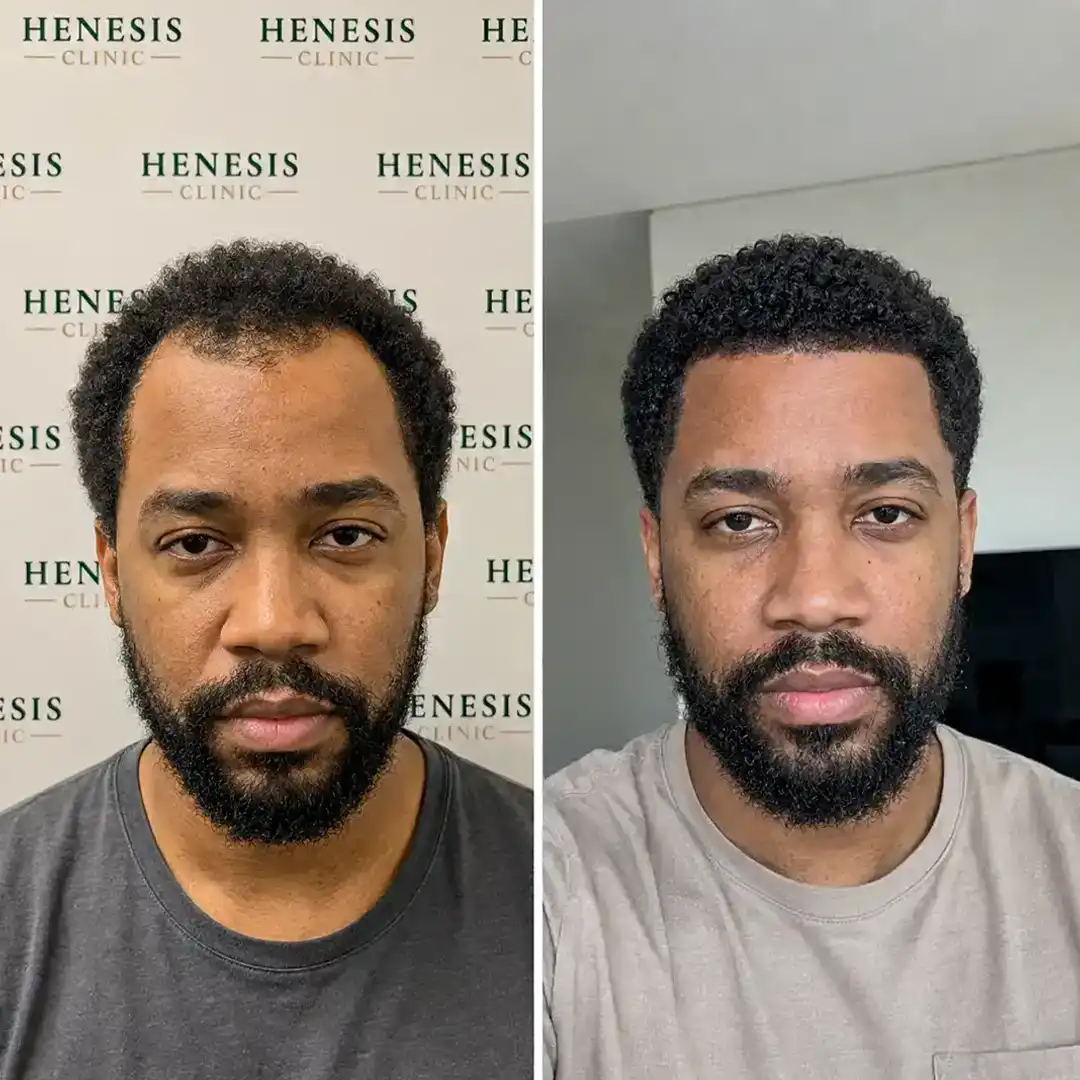 Before
After
Before
After
FUE Hair Transplant
Doctor: Dr. Nora Derin, MD
View Clinical Case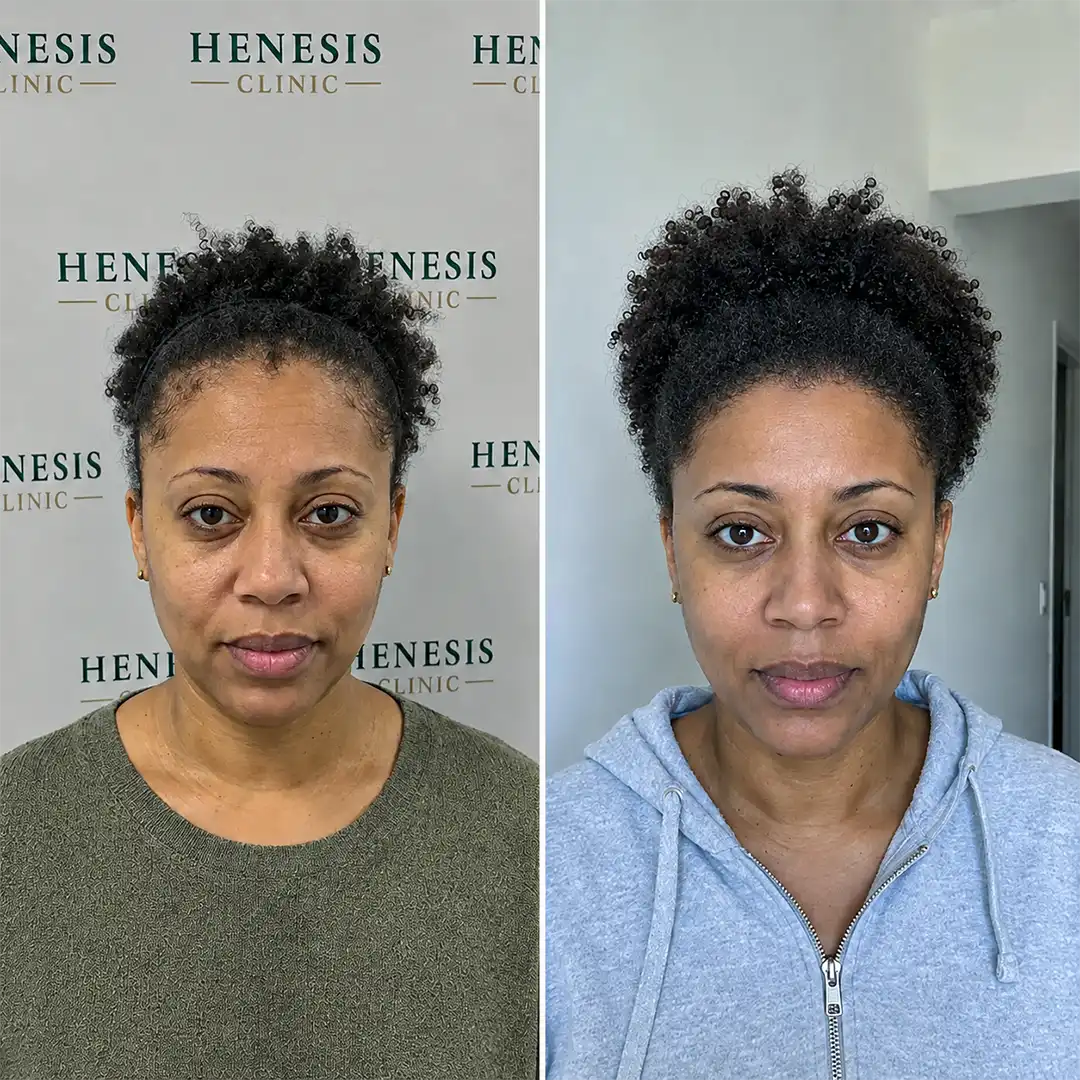 Before
After
Before
After
DHI Hair Transplant
Doctor: Dr. Nora Derin, MD
View Clinical CaseNo documented Afro cases match these filters.
Profile-specific exploration
Use the filters above to explore documented cases by patient profile without creating duplicate case pages.
Men’s results
9 documented cases across available treatment areas and techniques.
Women’s results
11 documented cases, including available female hairline and frontal restoration records.
Afro-specific interpretation
Curly and coiled hair can create different visible coverage compared with straighter hair.
Strand thickness affects perceived fullness and how scalp contrast appears in photographs.
Length, curl definition and styling can substantially change the visible comparison.
Hairline, frontal and crown results should not be compared as if they present identically.
A 6-month case should not be compared directly with a mature 12–18 month result.
Hair and scalp contrast can influence how visible coverage appears under different lighting conditions.
Photo evidence checklist
Afro result photography should make visual and clinical differences easier to assess—not hide them.
Growth and maturity context
Growth timing varies. Curl pattern and styling can also affect how change appears at each stage.
Healing and shedding; not a final result.
Early visible growth may begin.
Many frontal cases become more representative.
Further maturation may continue, particularly in some treatment areas.
Individual timelines vary; follow-up months describe observation points, not guaranteed endpoints.
Answer-first guidance for Black men and women comparing Afro-textured hair restoration cases.
They can for suitable candidates. Curved follicles, donor capacity, hair-loss pattern and extraction planning require individual assessment and relevant clinical experience.
Visible growth develops gradually. Many frontal results are assessed around 9–12 months, while maturation may continue for 12–18 months or longer in some cases.
Transplanted follicles from a suitable donor area are generally expected to retain donor characteristics long term, but surrounding native hair may continue to thin and no cosmetic outcome should be guaranteed.
Yes, when the hair-loss cause, donor supply and treatment area are suitable. Female hairline, traction-related and diffuse-loss presentations require careful diagnosis and candidate selection.
Some stable traction-related cases may be considered, but active traction, scarring, scalp health and donor capacity must be assessed before treatment is recommended.
There is no standard graft number. The appropriate range depends on donor capacity, treatment area, hair calibre, curl pattern and long-term planning.
Curly or coiled strands and hair calibre can influence perceived coverage, but this varies and should not be used to promise a particular density from a fixed graft number.
Henesis scalp hair transplant plans currently range from $3,190 to $5,450. Final scope and price follow individual assessment; see the Hair Transplant Cost Guide.
Comparable cases can help frame questions, but curl pattern alone does not predict suitability or outcome. Donor capacity, follicle curvature, treatment area and goals must also be assessed.
