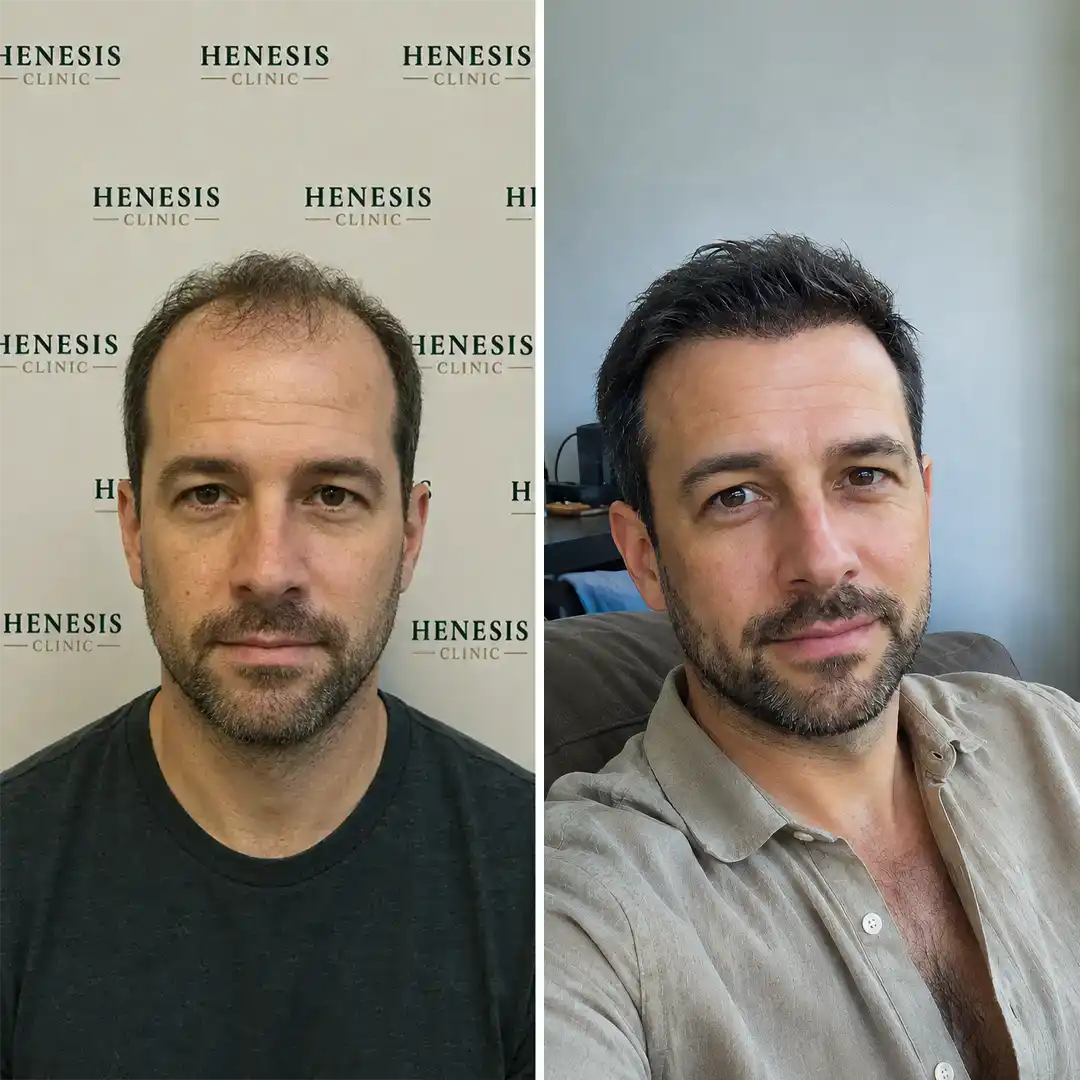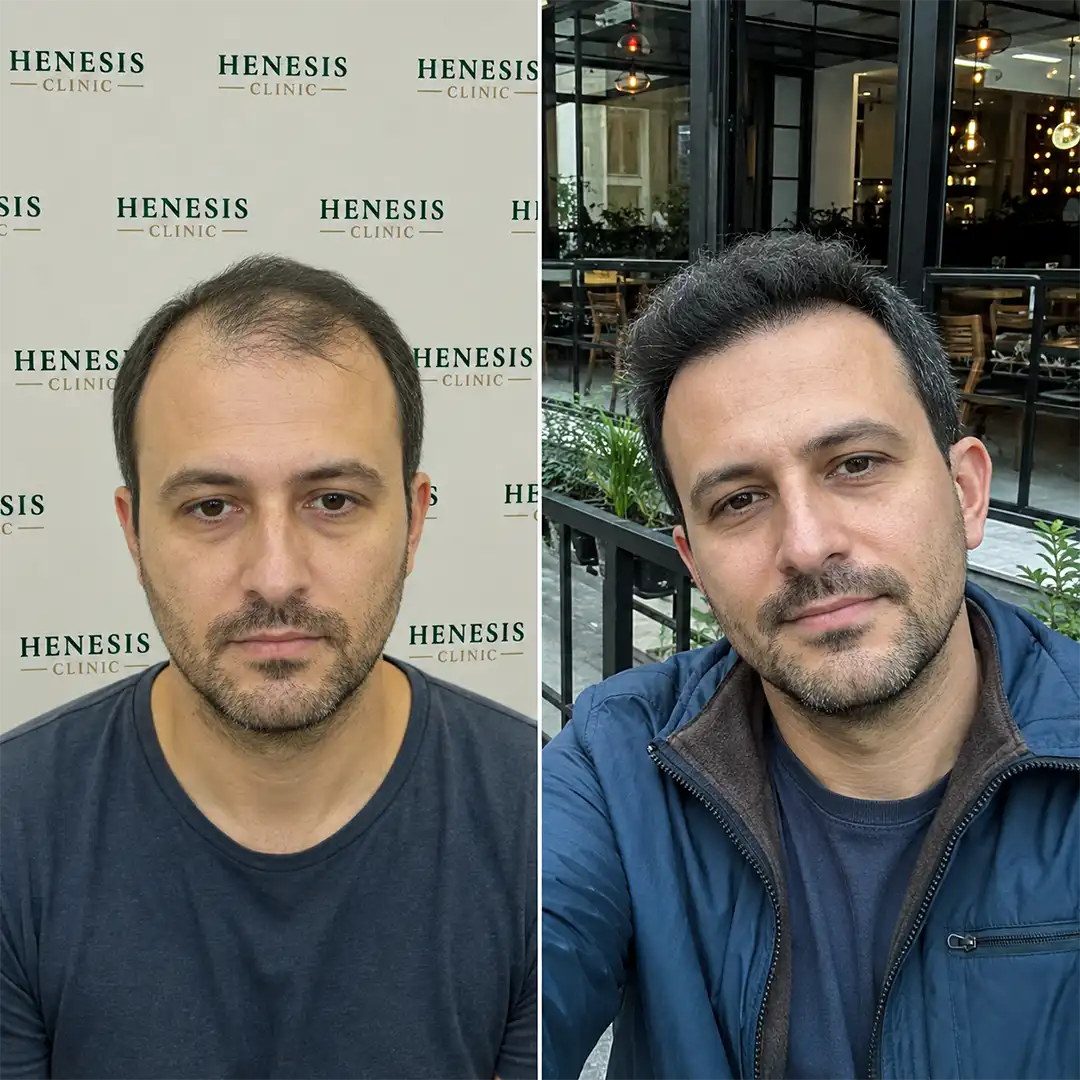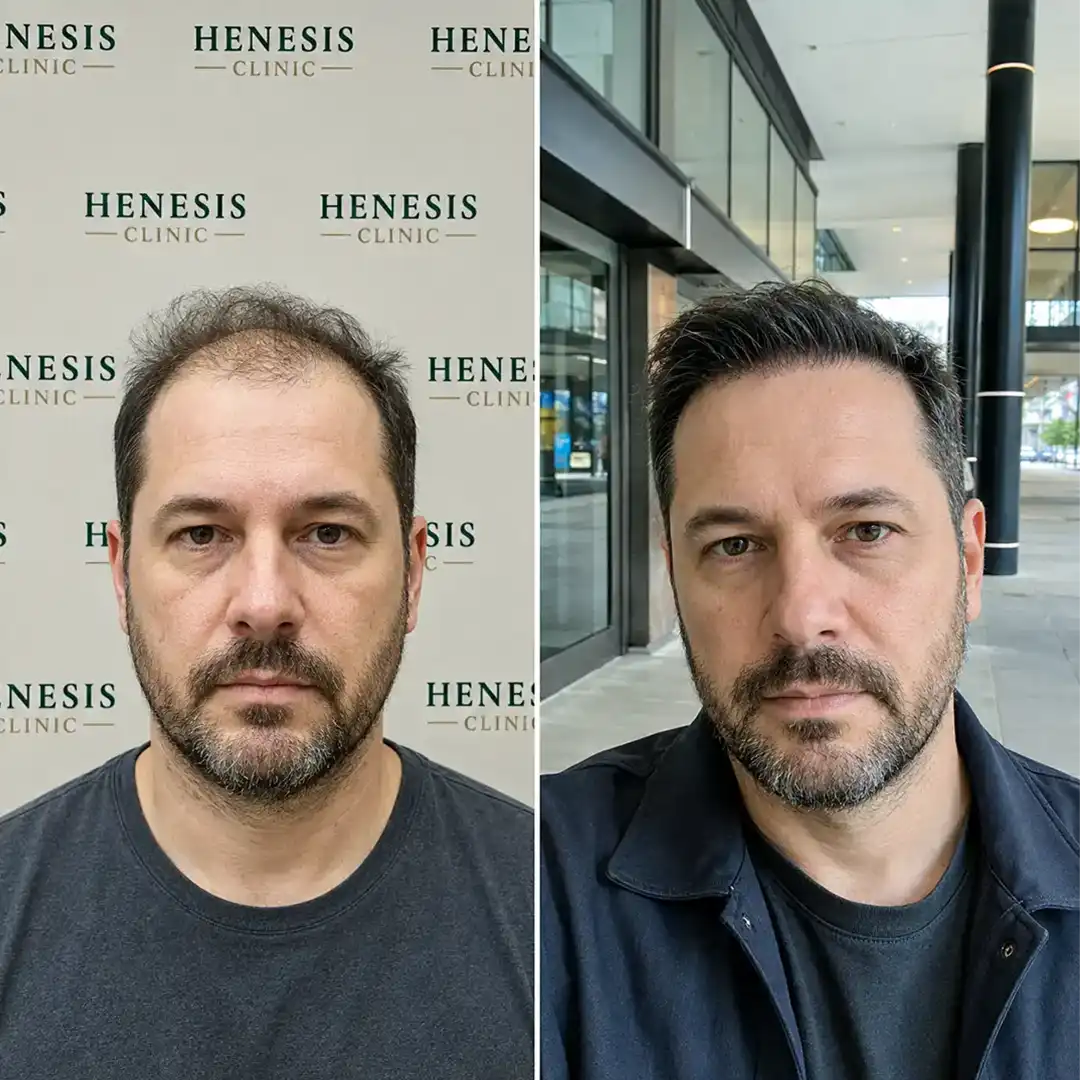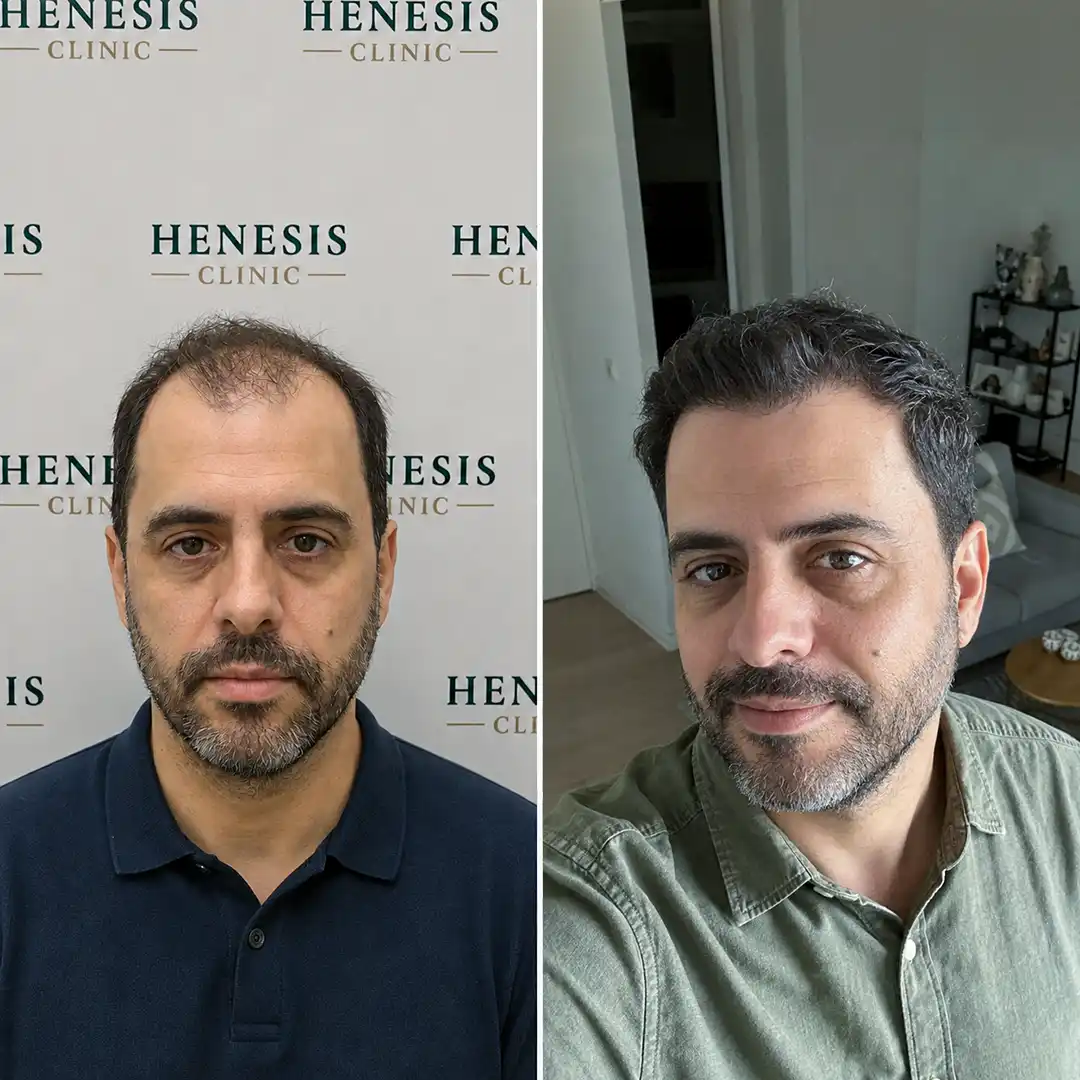
Documented Hair Transplant Results From Patients Treated in Istanbul, Turkey

Hair Transplant Before & After Results

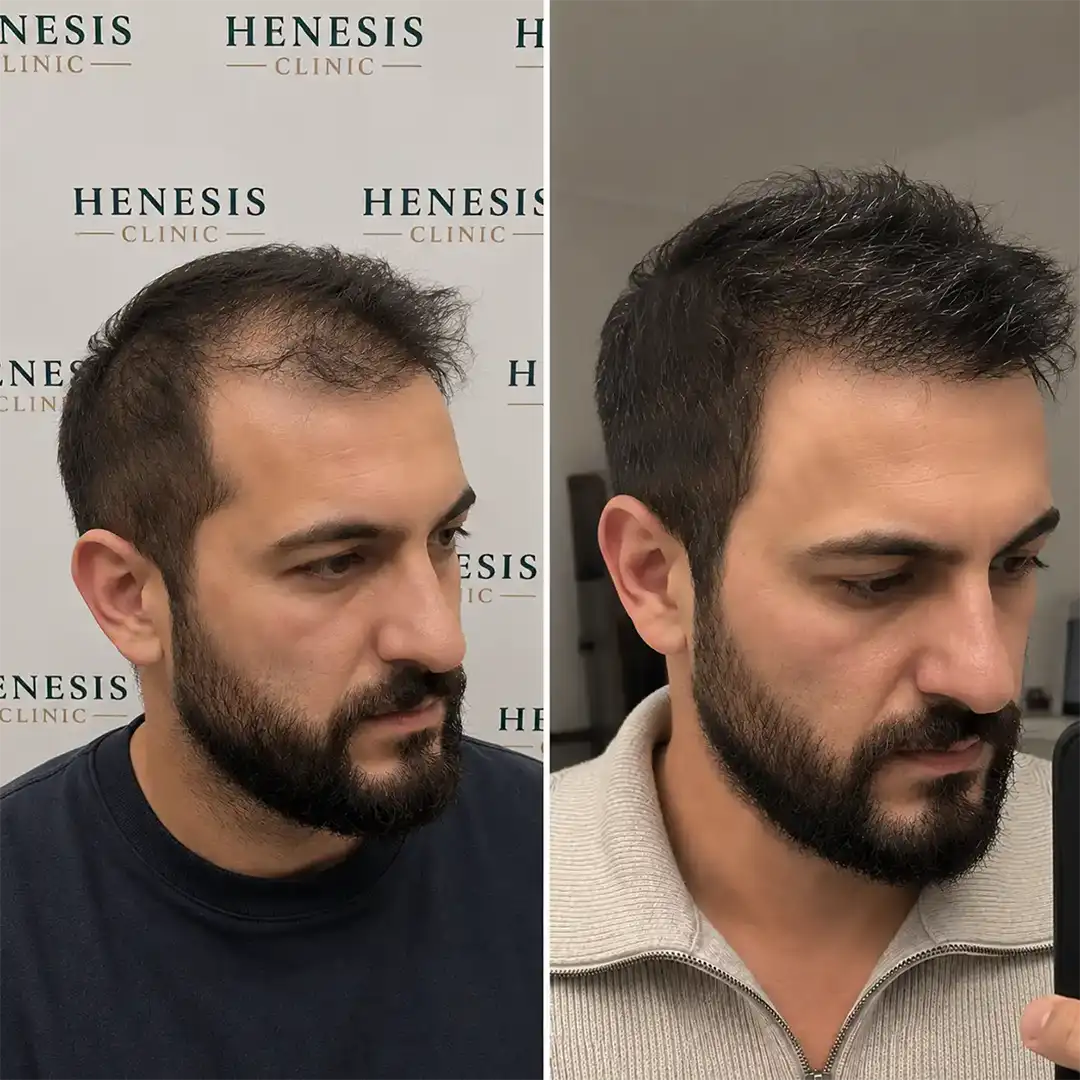
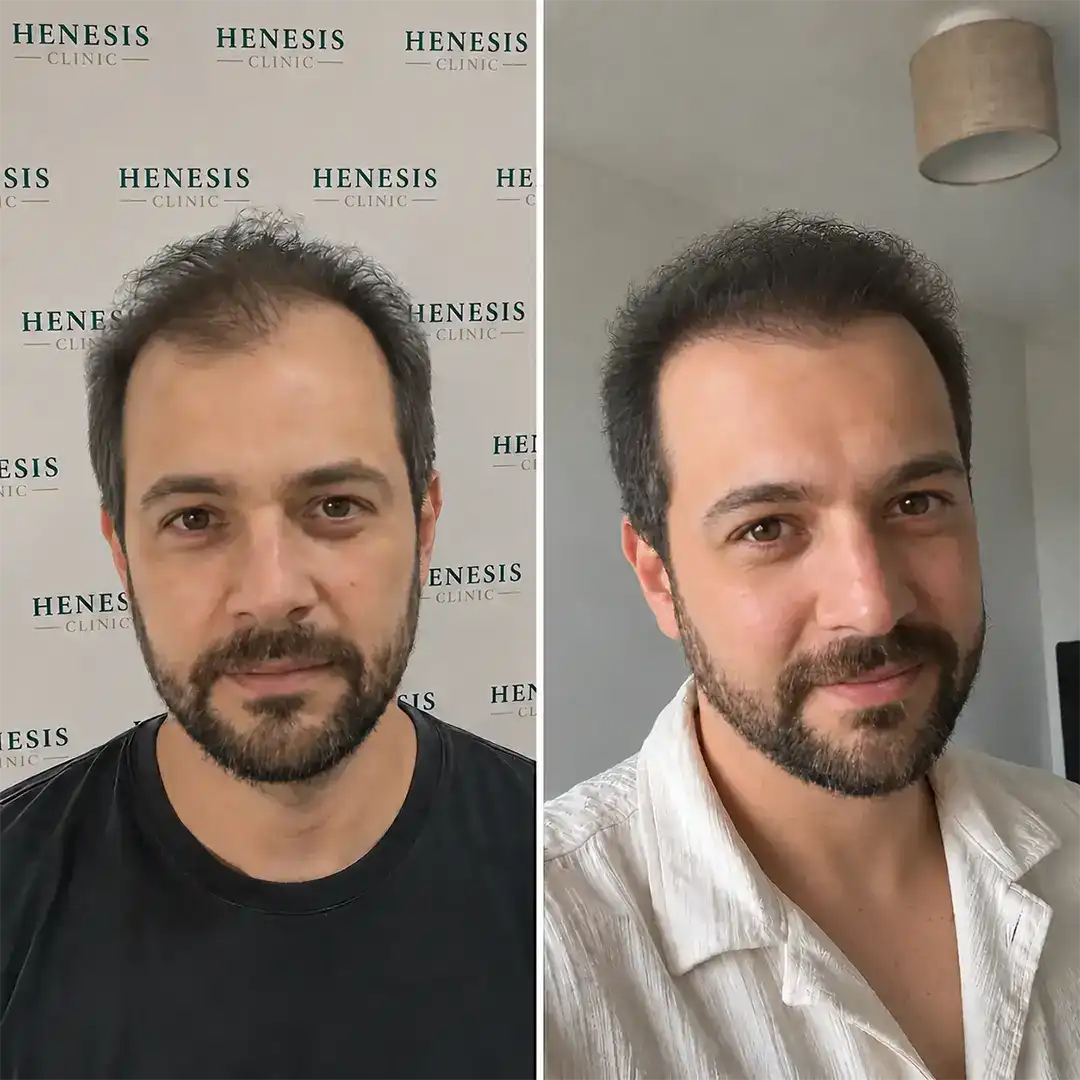
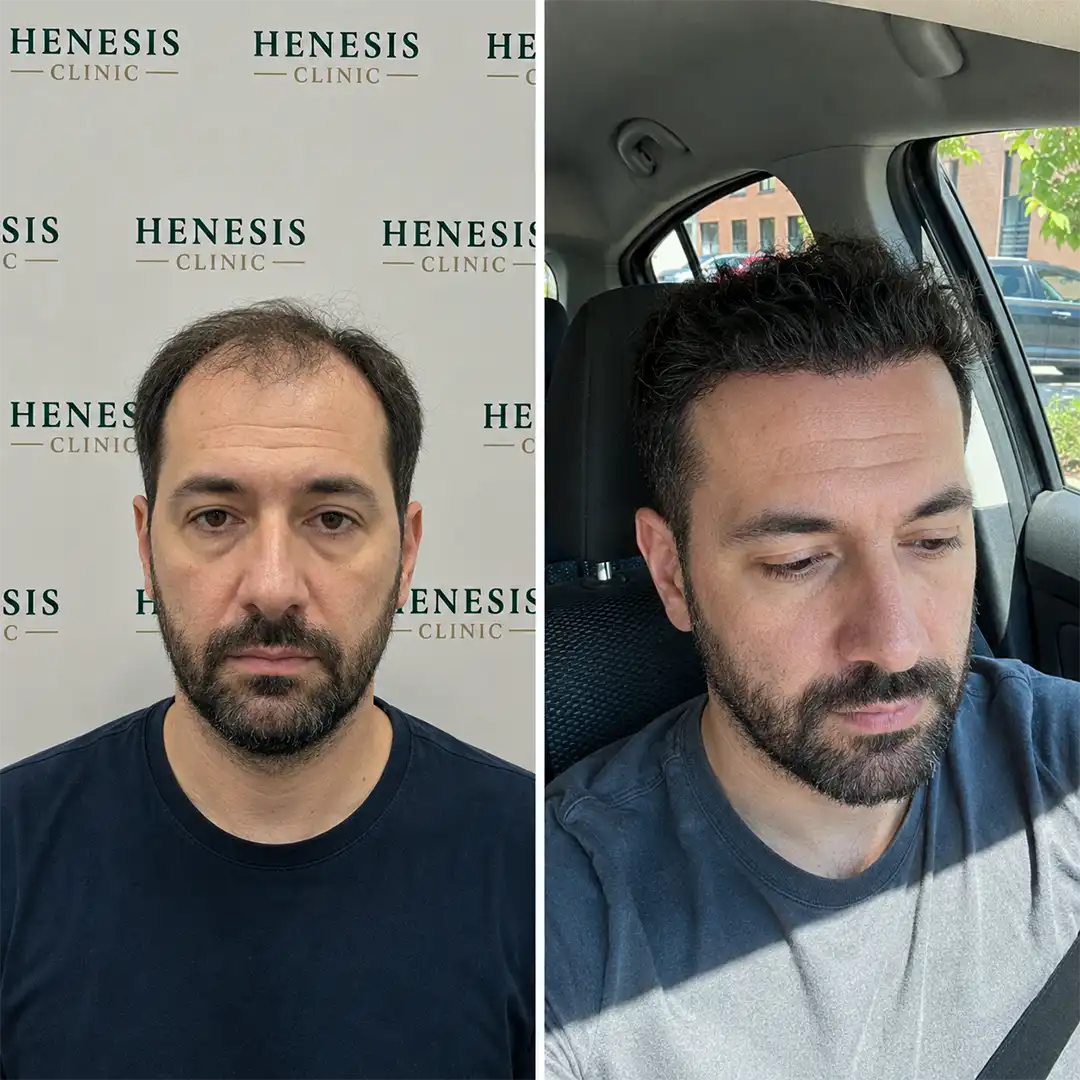
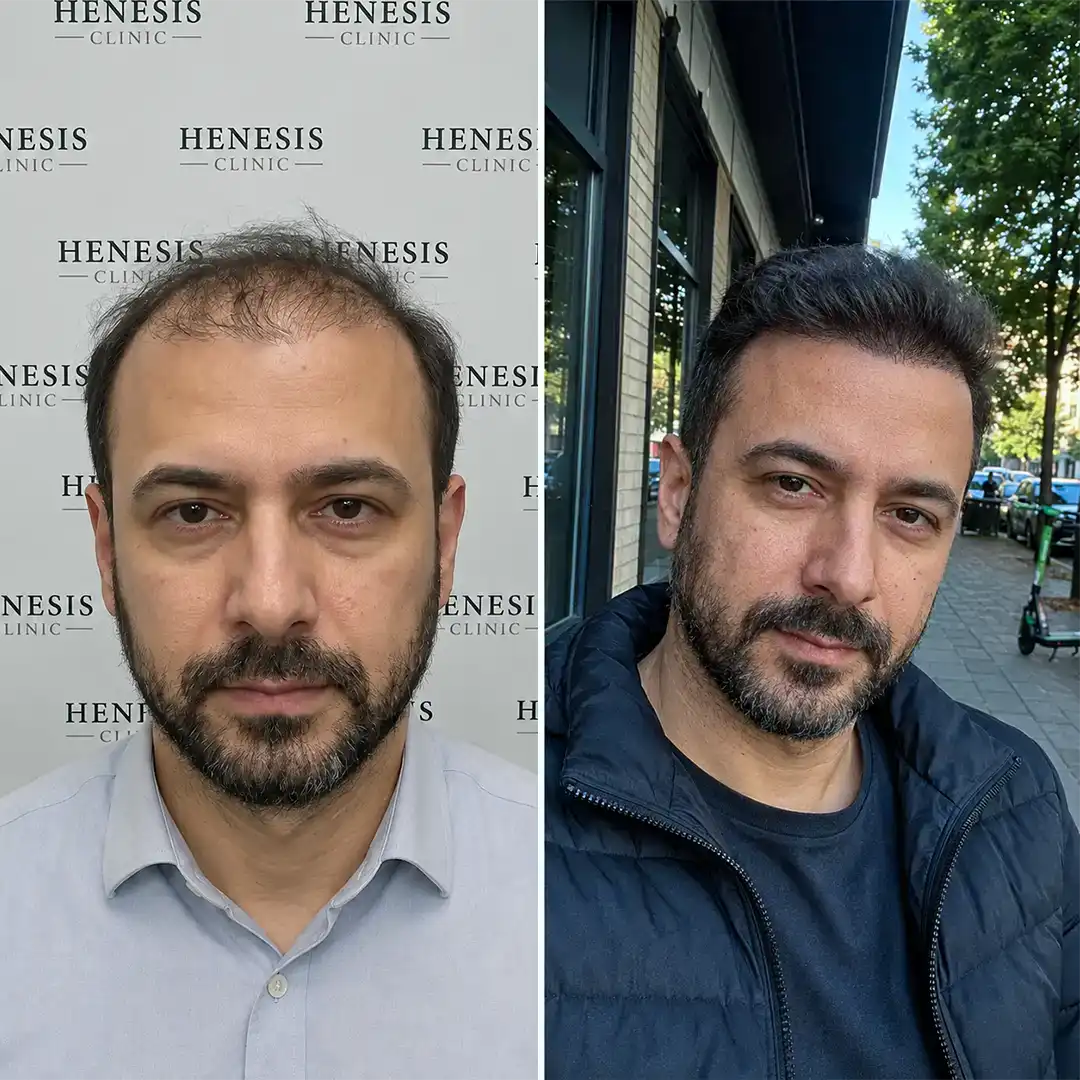
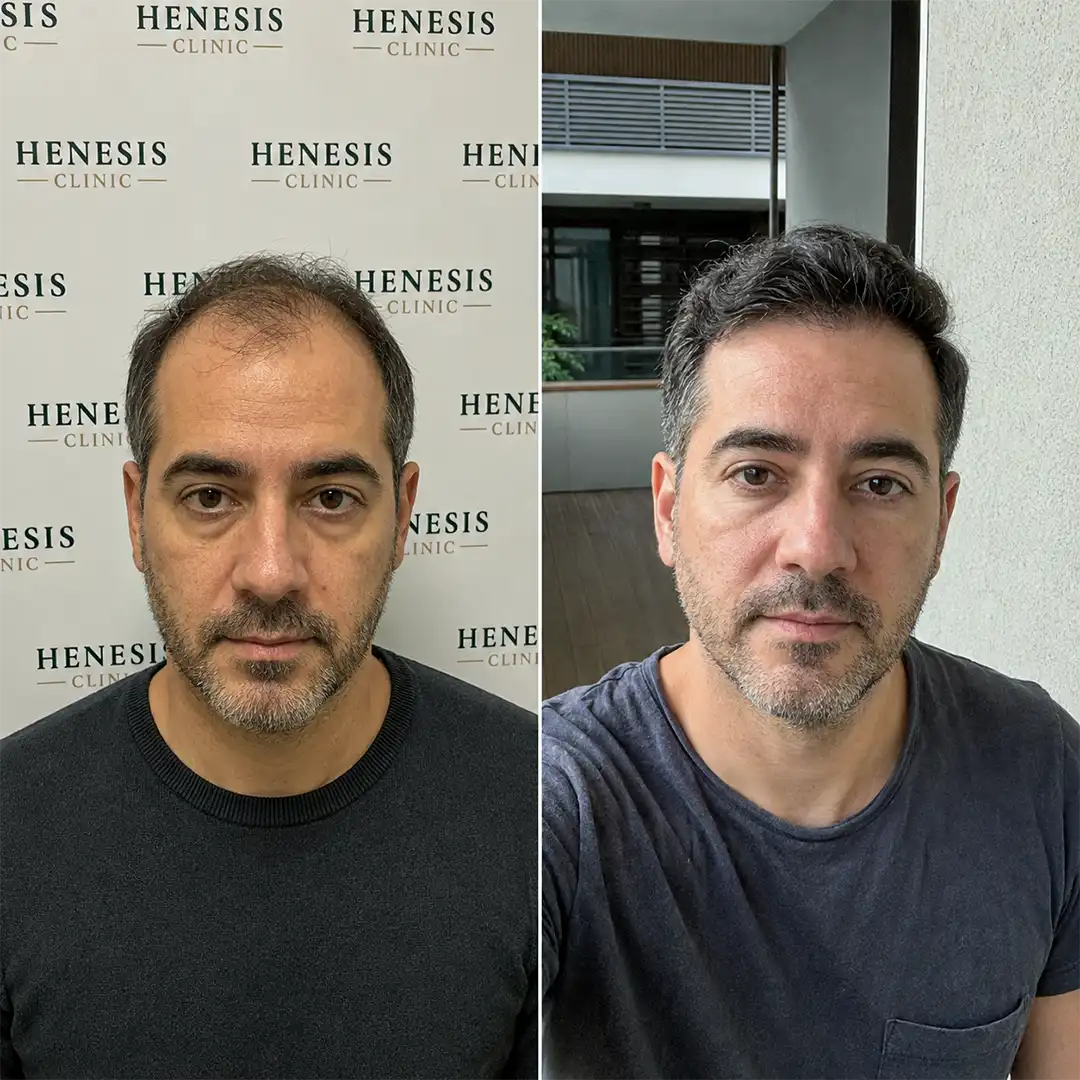
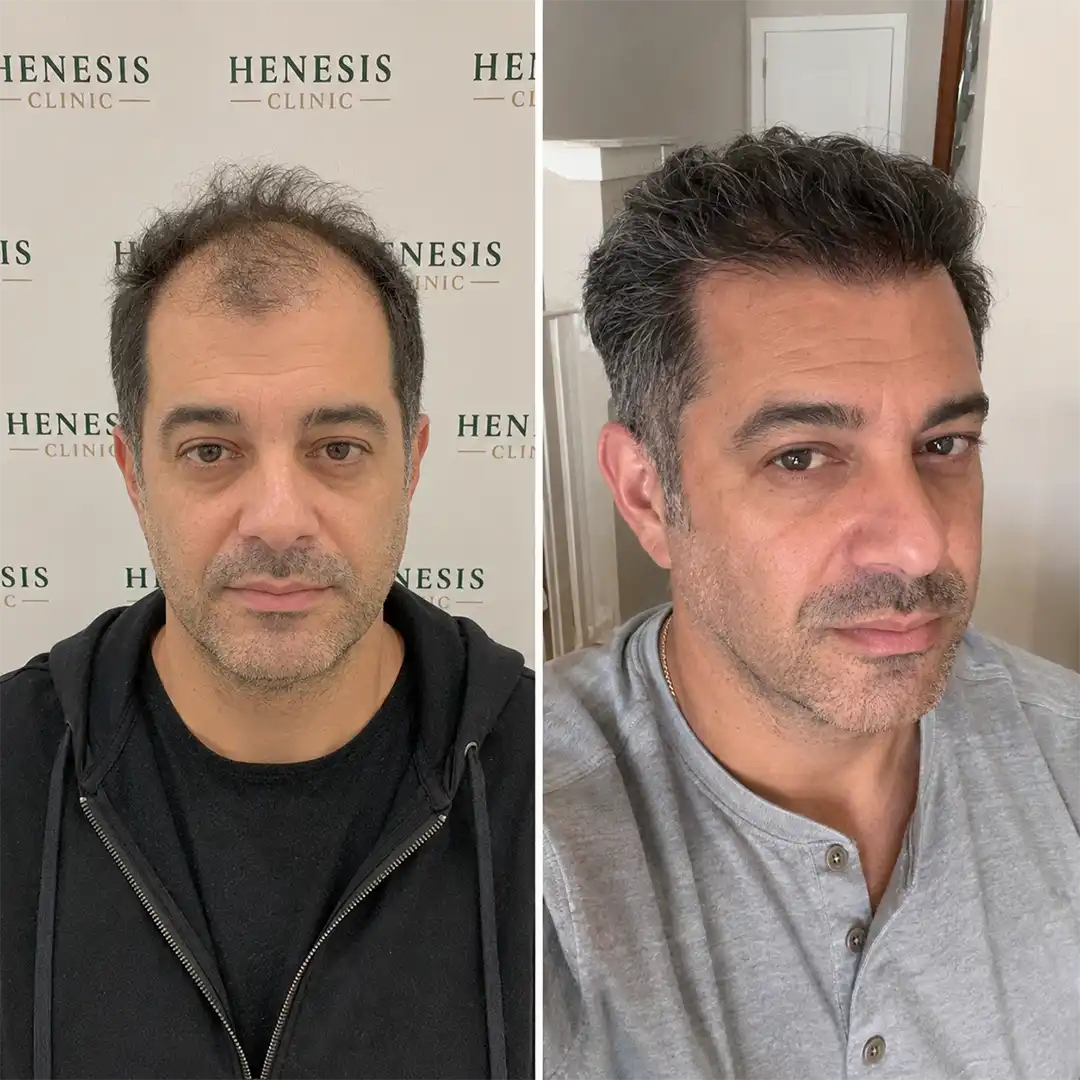
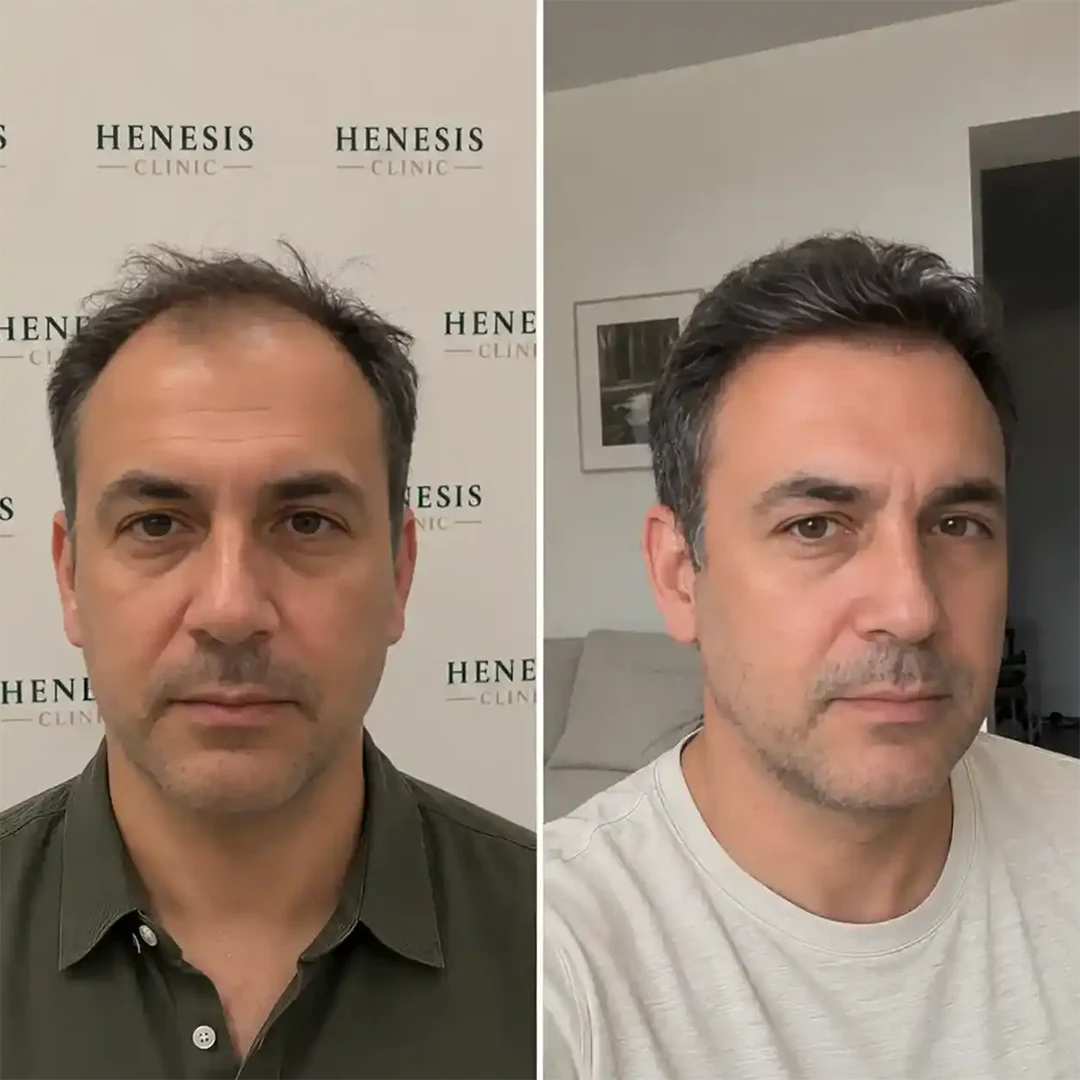
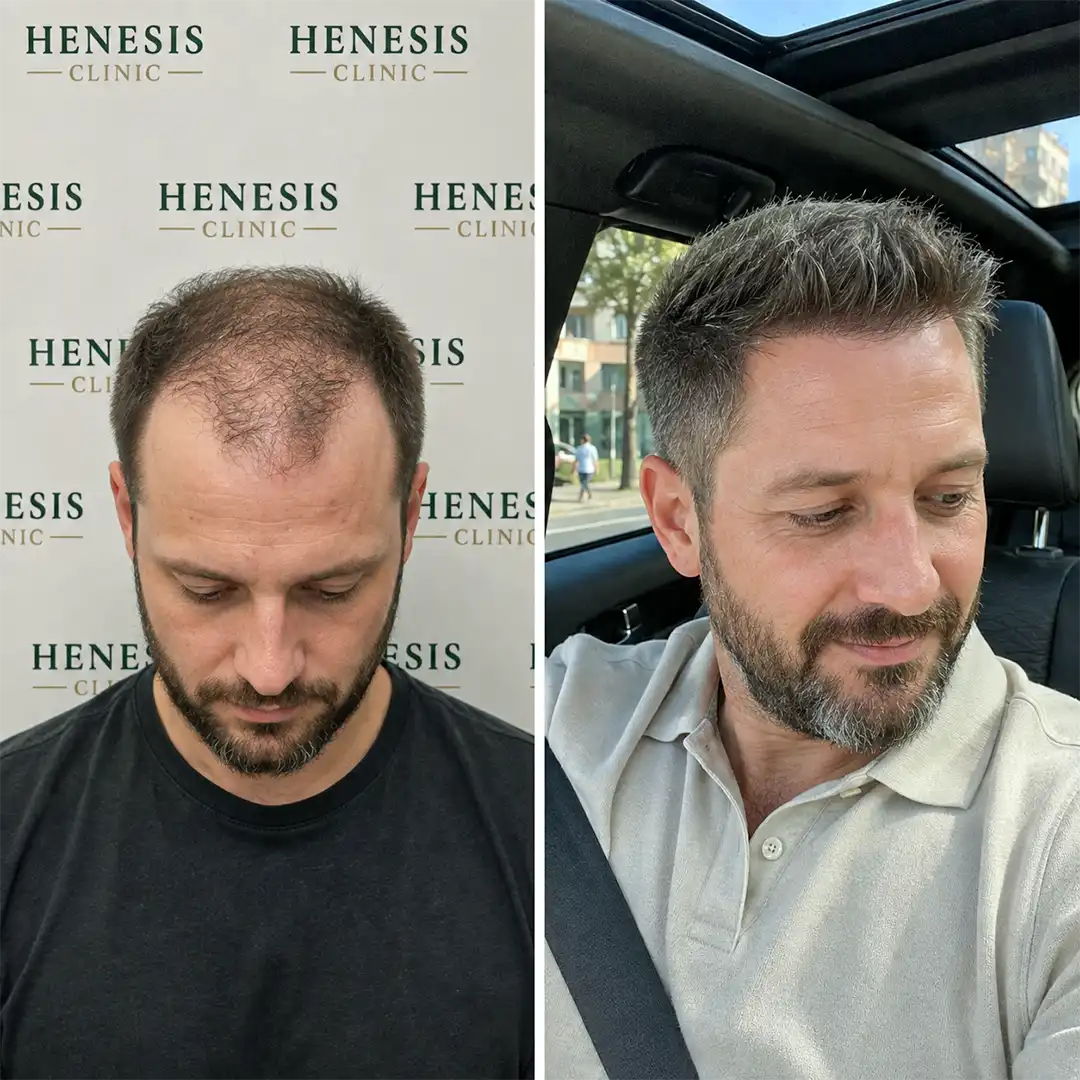
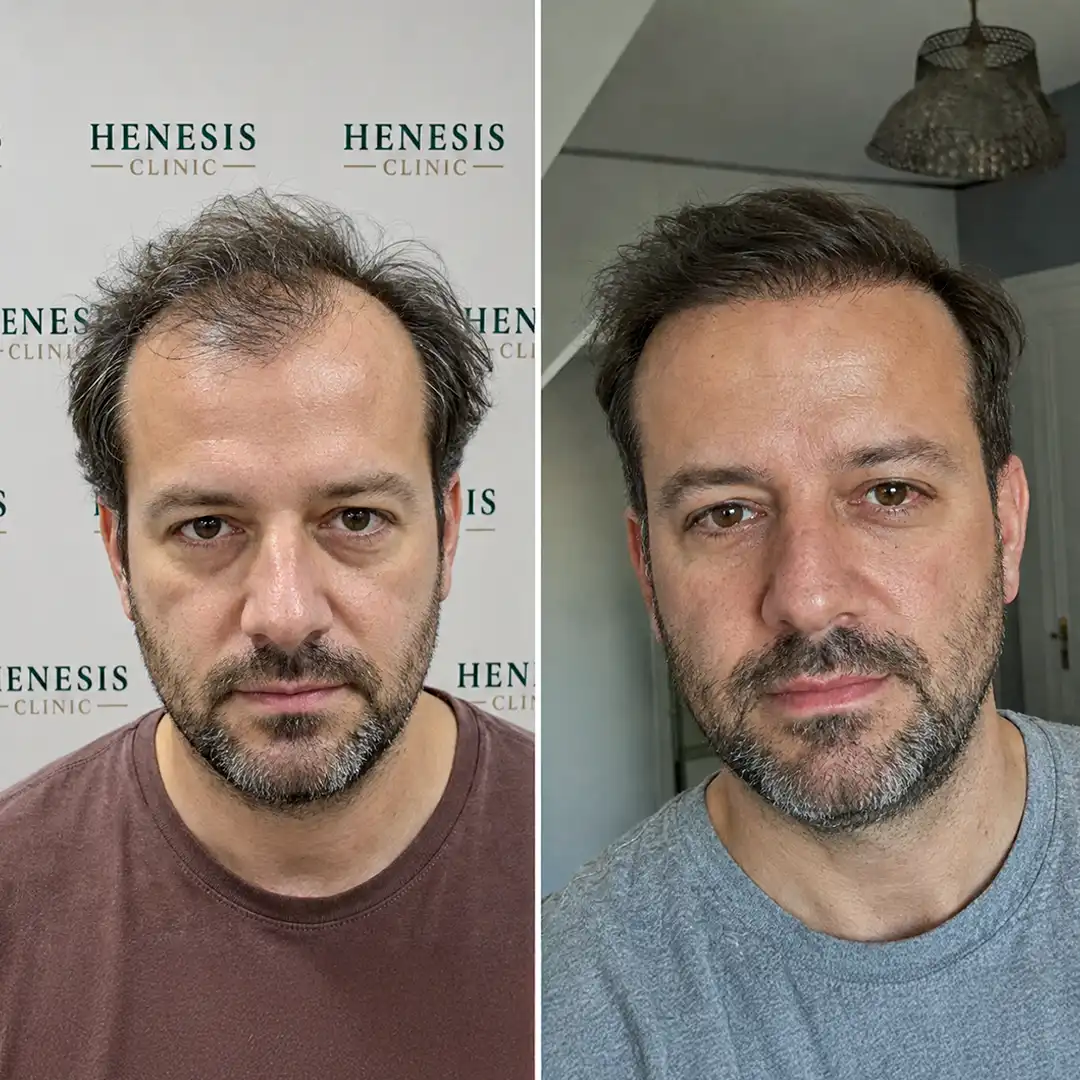
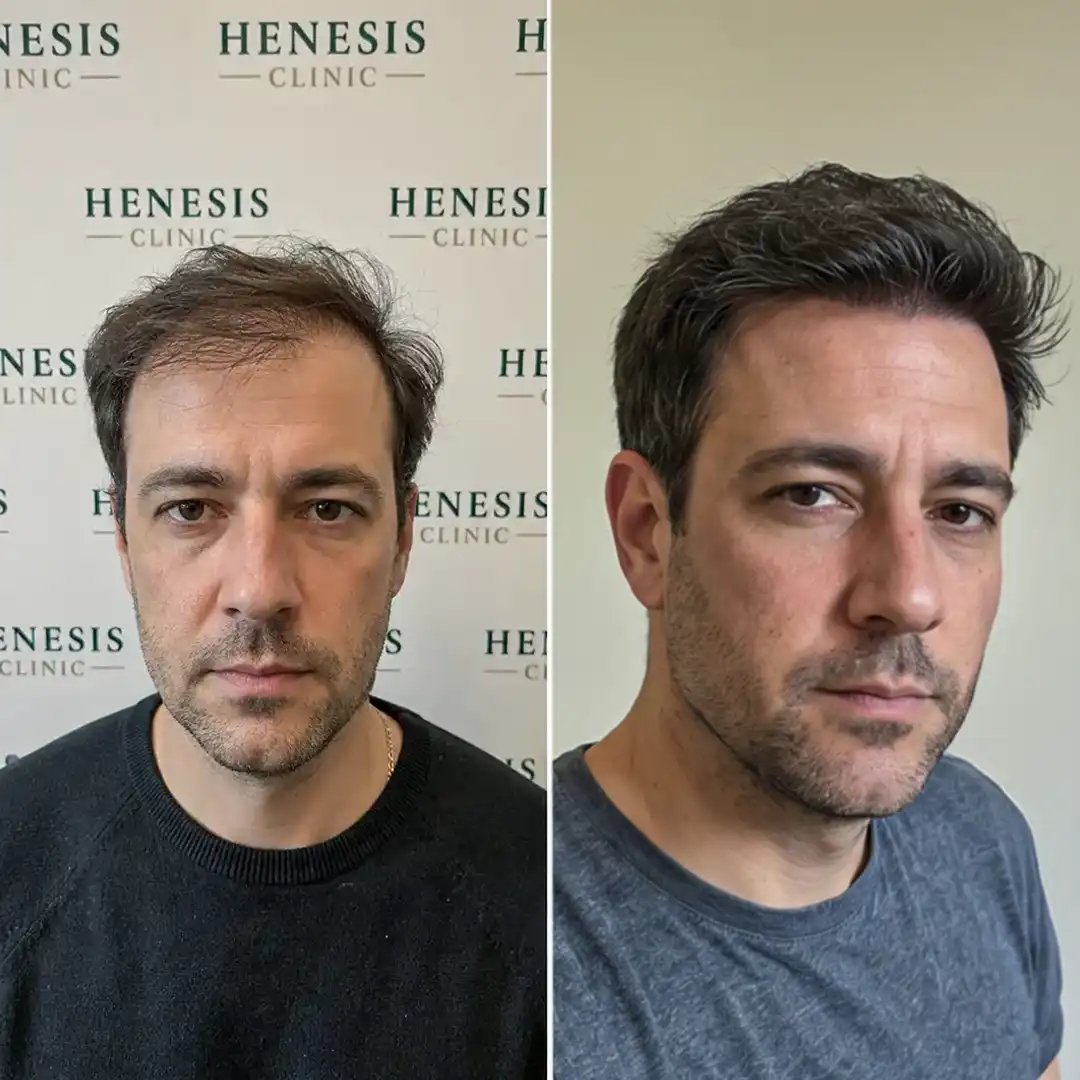
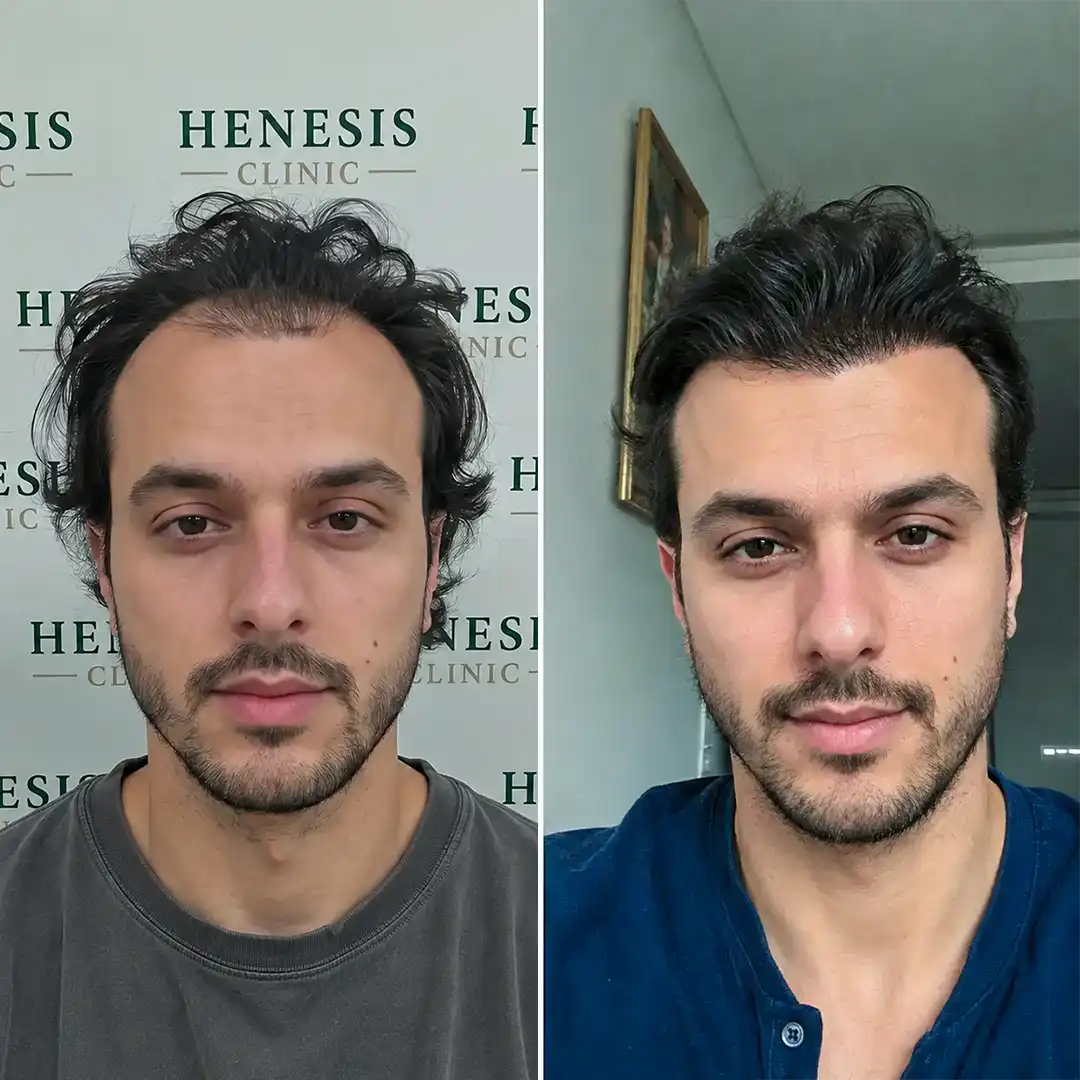
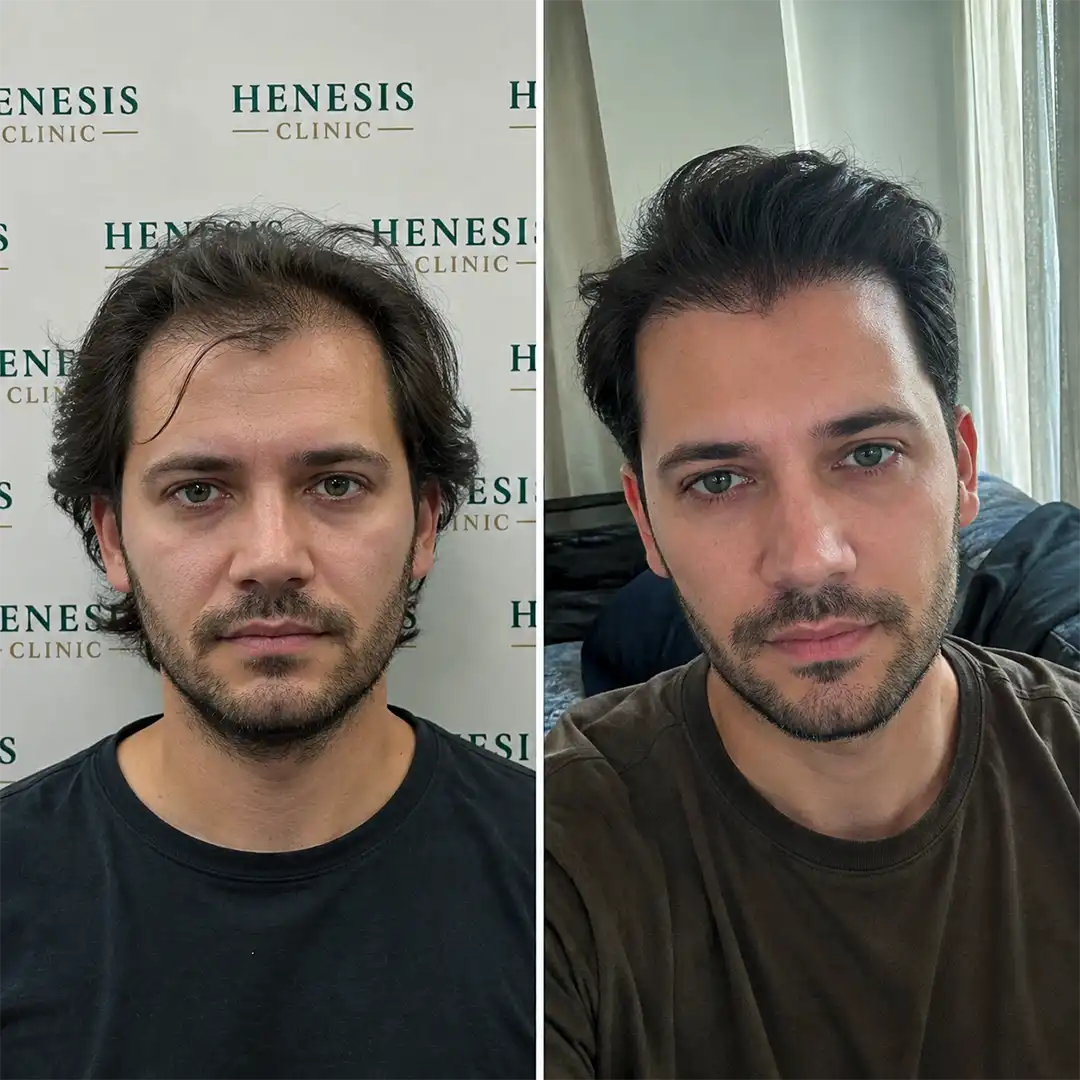
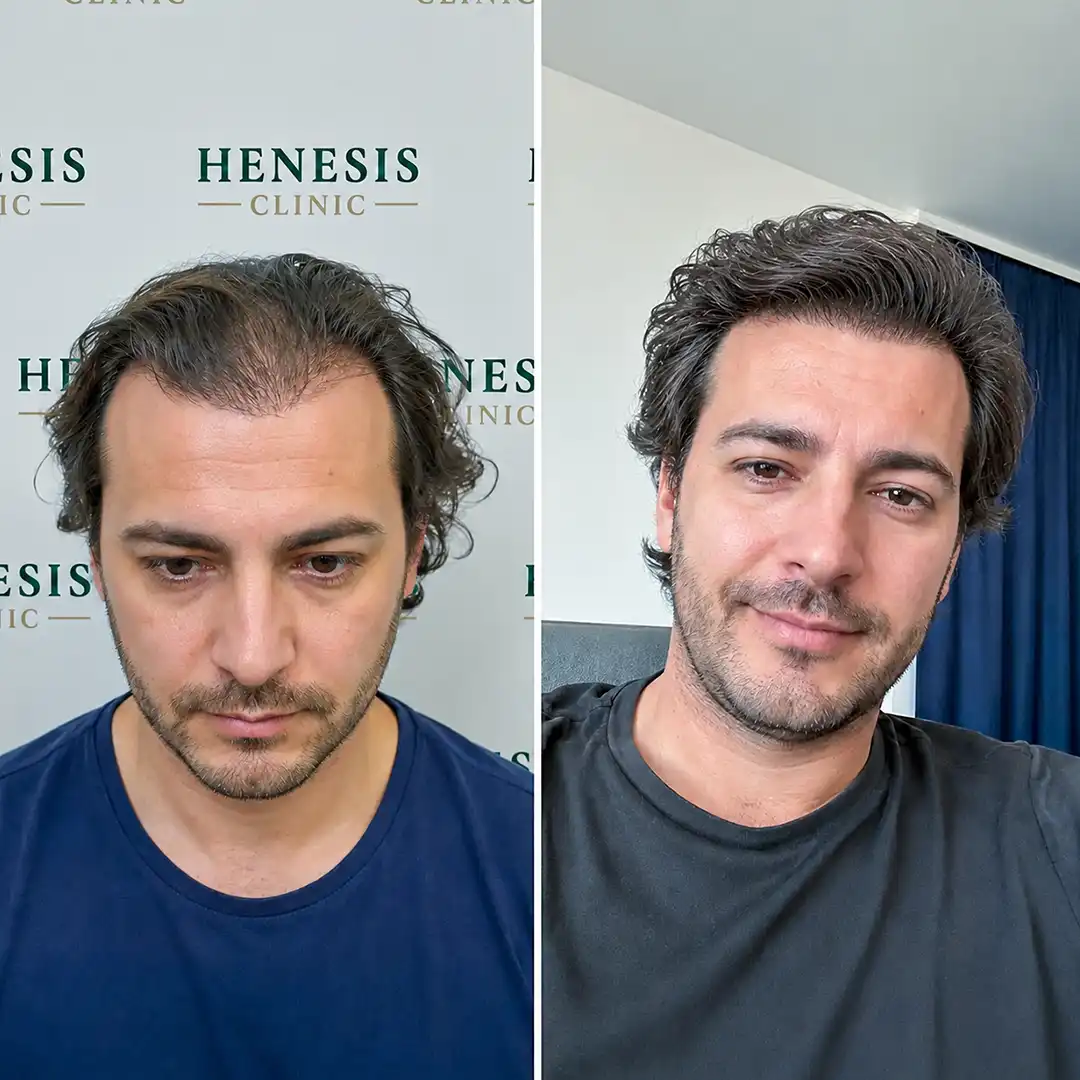
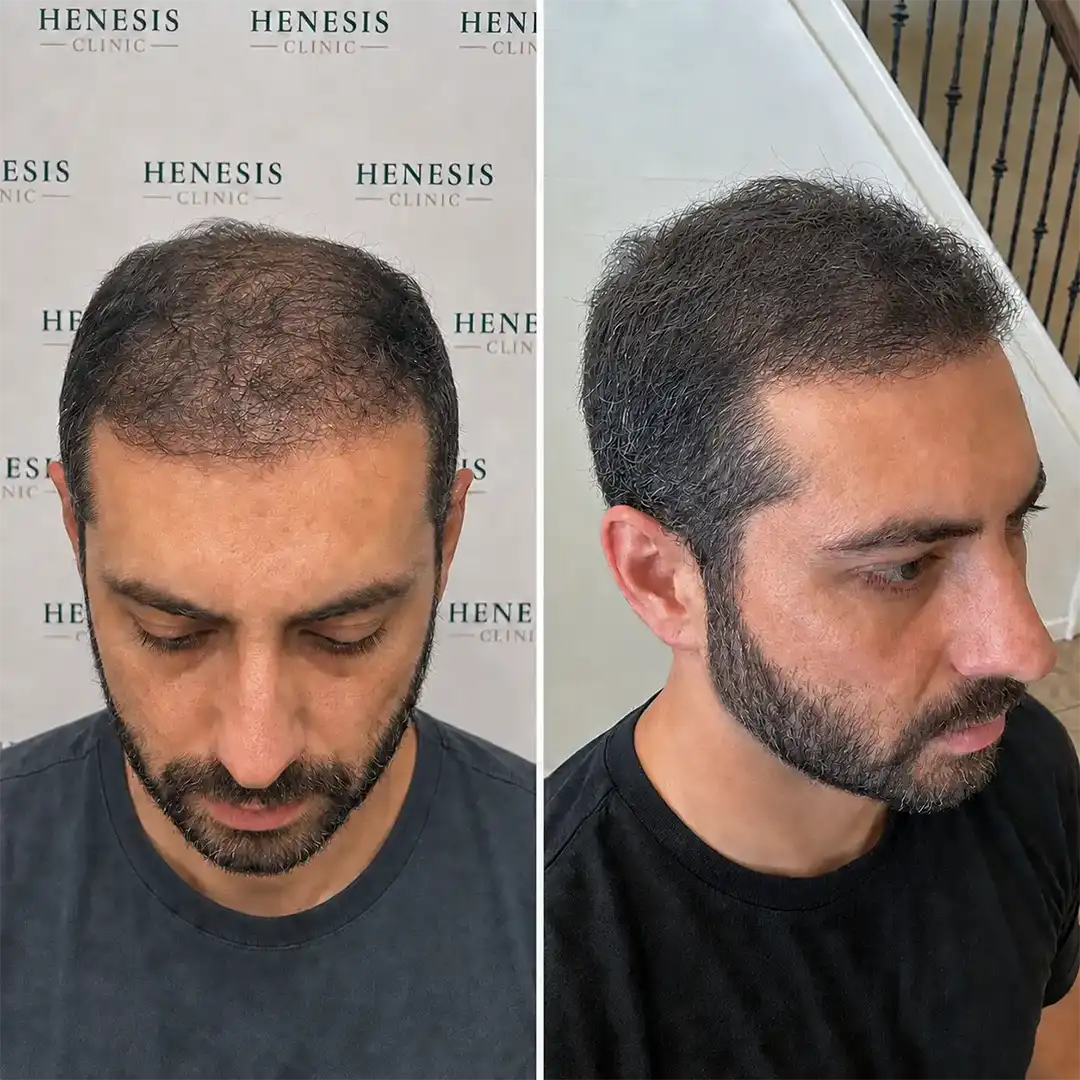
Browse documented hair transplant before-and-after photographs from patient cases treated at Henesis Clinic in Istanbul, Turkey, across different hair types, techniques, treatment areas and follow-up timelines. Individual outcomes vary according to donor capacity, hair characteristics, treatment planning, healing and future hair loss.

Treatment

Patient / Hair Type

Clinical case library

Documented Patient Results

Documented cases can be browsed by treatment type, technique, treatment area, graft range, patient or hair type, and physician, including FUE, DHI, hairline, crown, and men's or women's cases. Each case includes the technique, graft count, treatment area, follow-up timing, and responsible physician.

Written Re-Treatment Guarantee

Eligible scalp, beard and Afro-textured hair-transplant cases may qualify for corrective treatment without a new procedure fee. This policy does not promise a specific density, graft-survival percentage or cosmetic result.

Read the Guarantee Policy

Understanding clinical photography

How to Evaluate Hair Transplant Before & After Photos

A useful comparison needs consistent photography and enough clinical context to explain what changed, when the follow-up was recorded and what treatment was performed.

Same Angle

Camera position, distance and viewing angle should be as similar as possible.

Same Lighting

Comparable lighting helps prevent shadows or overexposure from changing the appearance of density.

Hair Length & Styling

Wet versus dry hair, fibres, heavy styling and major length differences can distort comparison.

Follow-Up Month

The recorded month matters because early growth and mature results represent different stages.

Area & Graft Count

The treatment area and graft count provide context for the visible coverage and distribution.

Medication or Further Treatment

Medical therapy, a second procedure or other relevant interventions should be disclosed where applicable.

The cases shown are individual examples and do not guarantee that another patient will achieve the same result. Treatment suitability and expected outcomes require individual assessment.

Evidence quality

What Makes a Hair Transplant Before & After Comparison Reliable?

More Useful

  • Same or similar angle
  • Comparable lighting
  • Clear follow-up date
  • Graft count and treatment area stated
  • Technique identified
  • Multiple views and a linked case record

Less Useful

  • Dramatically different hair length
  • Wet versus dry comparison
  • Heavy styling, fibres or concealers
  • Unknown timeline
  • No graft or treatment-area context
  • Cropped or mismatched angles

Growth context

When Should a Hair Transplant Result Be Compared?

Hair growth develops gradually. A photograph should always be interpreted according to its follow-up stage.

  1. 0–3 months

    Around 3 months, early regrowth may still be limited and shedding can remain visible. A 3-month photograph should not be interpreted as a final hair transplant result.

  2. 4–6 months

    Visible growth may begin, but density is still developing.

  3. 9–12 months

    Many frontal results become more representative.

  4. 12–18+ months

    Some areas, especially the crown, may continue maturing.

Clinical result guidance reviewed by Dr. Timur Aksu, MDLead Hair Restoration Physician · Last reviewed 29 August 2026

Hair Transplant Result FAQs

Concise guidance for interpreting growth, coverage, photography and long-term change.

How long does a hair transplant result last?

Transplanted follicles taken from a suitable donor area are generally expected to retain their donor characteristics long term. Surrounding non-transplanted hair may continue thinning, so the overall appearance can still change.

When is a hair transplant considered fully grown?

Many frontal results are assessed around 9–12 months, while maturation can continue for 12–18 months or longer in some areas. Individual timelines vary.

How much can 3,000 grafts cover?

There is no universal coverage area. Hair calibre, curl, donor quality, recipient density, hair-loss pattern and distribution strategy all affect what 3,000 grafts may achieve.

Why do before-and-after photos look different between clinics?

Camera angle, lighting, hair length, styling, wet or dry hair, image cropping and follow-up timing can all change the visible comparison. Clinical context should accompany the images.

Can hair transplant results look thinner over time?

The transplanted area and surrounding native hair can change differently. Continued loss of non-transplanted hair, styling, lighting and ageing may affect the later appearance.

Does the crown take longer to mature than the hairline?

It can. Crown results may appear to mature more slowly in some patients because growth timelines, hair direction, treatment area and density distribution vary. Individual recovery and maturation also differ.

Are all hair transplant before-and-after photos comparable?

No. The most useful comparisons use similar angles, lighting and styling, identify the follow-up month, and state the technique, treatment area and graft count.

Can I see results from patients with hair similar to mine?

Comparable cases can be helpful, but they cannot predict an identical outcome. Hair type, donor capacity, loss pattern and clinical goals still require individual assessment.

Your case is individual

Start With a Personalized Hair Assessment

Tell us which result type is closest to your hair-loss pattern, then share your concerns, goals and clear photos. Your donor area and treatment needs can be reviewed to determine suitable next steps.

Request Assessment